When I was younger, I was the kind of introvert who knew people through small patterns before I ever spoke to them.
I knew which neighbour left for work early, which family always came home with plastic bags from the market, and which windows glowed warmly when the rain started. I noticed everything, but I rarely knew what to do with that noticing.
The family next door moved in from Japan during one of those weeks when Singapore seemed to rain every night. I remember standing near our balcony, pretending to check the wet laundry, when the smell first drifted over. It was savoury and gently spiced, with a soft sweetness underneath.
I did not know then that it was soup curry. I only knew that it smelled like a warm room I had not been invited into yet.
After that, rainy evenings became a quiet routine. I would hear the soft clatter of bowls, the hiss of steam, and little bursts of laughter from their dining table. Sometimes the smell changed as the evening went on. At first, there was the gentle sharpness of spice, then something sweeter and rounder, like onions and carrots softening somewhere out of sight. It never felt oily or overwhelming. It had the kind of clean warmth that made the rain outside feel less lonely.
For weeks, I only listened.
Then one rainy evening, holding more courage than confidence, I knocked on their door just to introduce myself. I still remember how nervous I was, and how quickly that nervousness softened when they opened the door and smiled.
Now, years later, they are no longer just the family next door. They are people I visit, message, and eat with. Sometimes, when the rain returns, I still get invited over for soup curry.
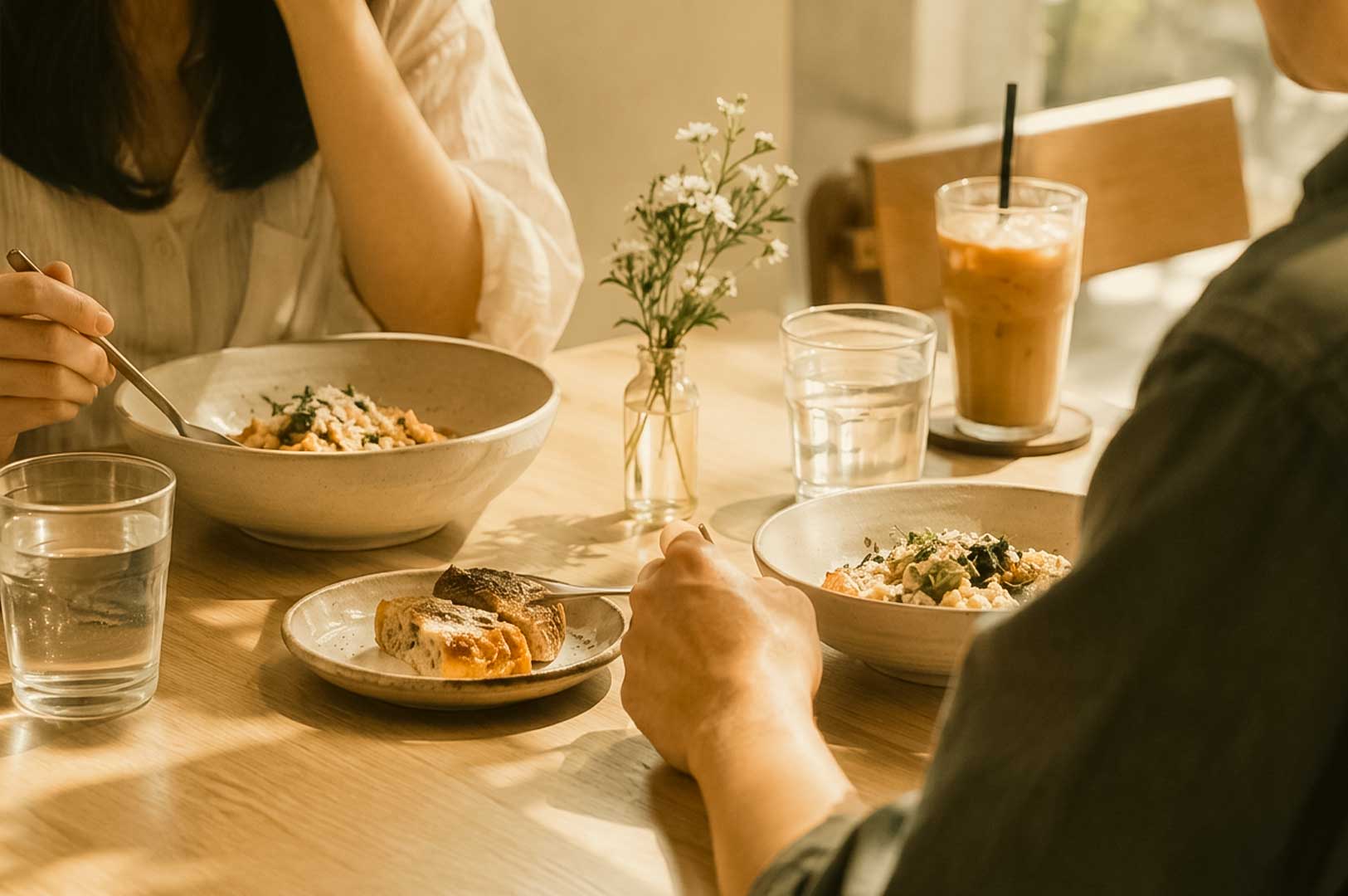
Only after sitting at their table did I understand why that smell had stayed with me for so long. The soup curry was not heavy in the way I had imagined comfort food to be. It was warm and satisfying, but still clean enough to want again the next rainy day. The vegetables mattered too, not as decoration, but as part of the bowl’s character. They gave the broth sweetness, texture, and a quiet kind of depth. By the last spoonful, it always tasted different from the first, softer and fuller, as if every ingredient had slowly left something behind.
Maybe that is why I have come to appreciate meals that feel relaxed, the ones that do not need occasion or performance, only enough warmth to make people stay a little longer.
And now every time I sit at their table, I think about the younger version of me listening from the balcony, learning that comfort can be light, friendship can begin quietly, and some meals reach us before people do.