Take a walk down a street that recently welcomed a new train station.
A few years ago, this stretch likely featured a row of quiet hardware stores, an old bakery, and a traditional coffee shop.
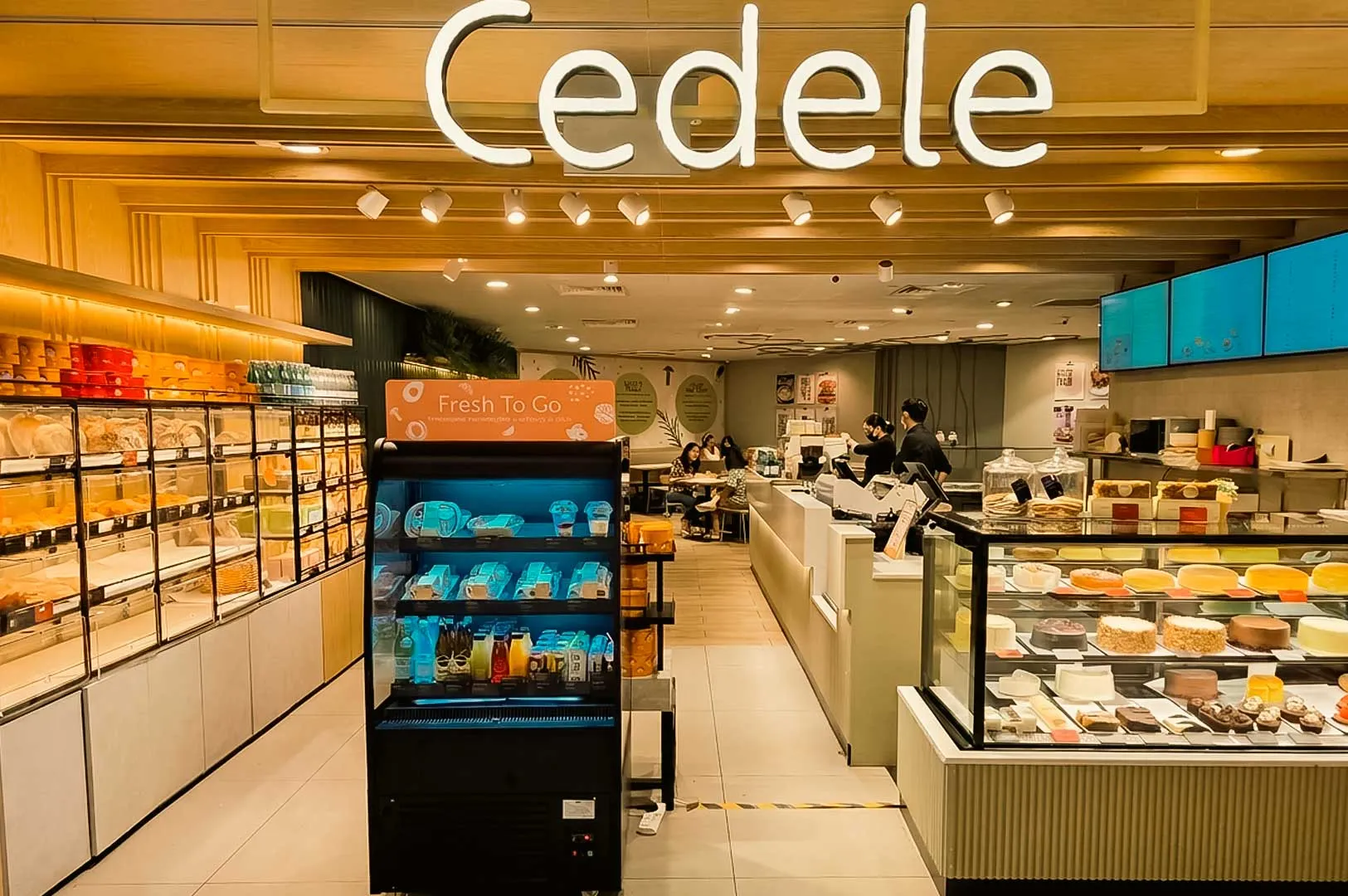
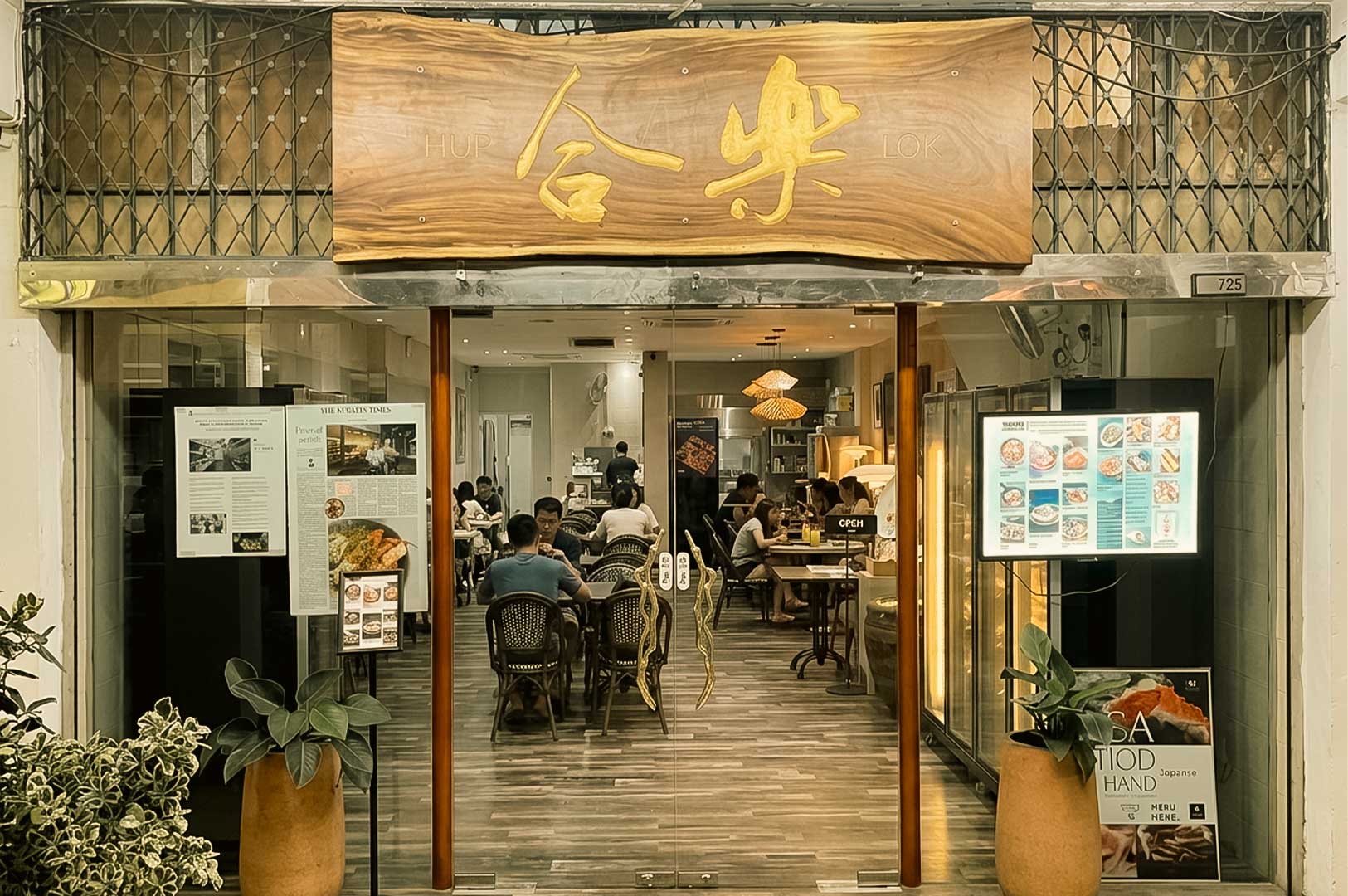
Today, you will notice a stark physical transformation. Scaffolding covers older buildings, and a sleek sourdough pizzeria now occupies the corner lot. This shift highlights a clear reality: changes in our urban environment directly dictate the way we eat.
When city planners map out new housing estates or transport hubs, they alter the demographic flow of a neighborhood.
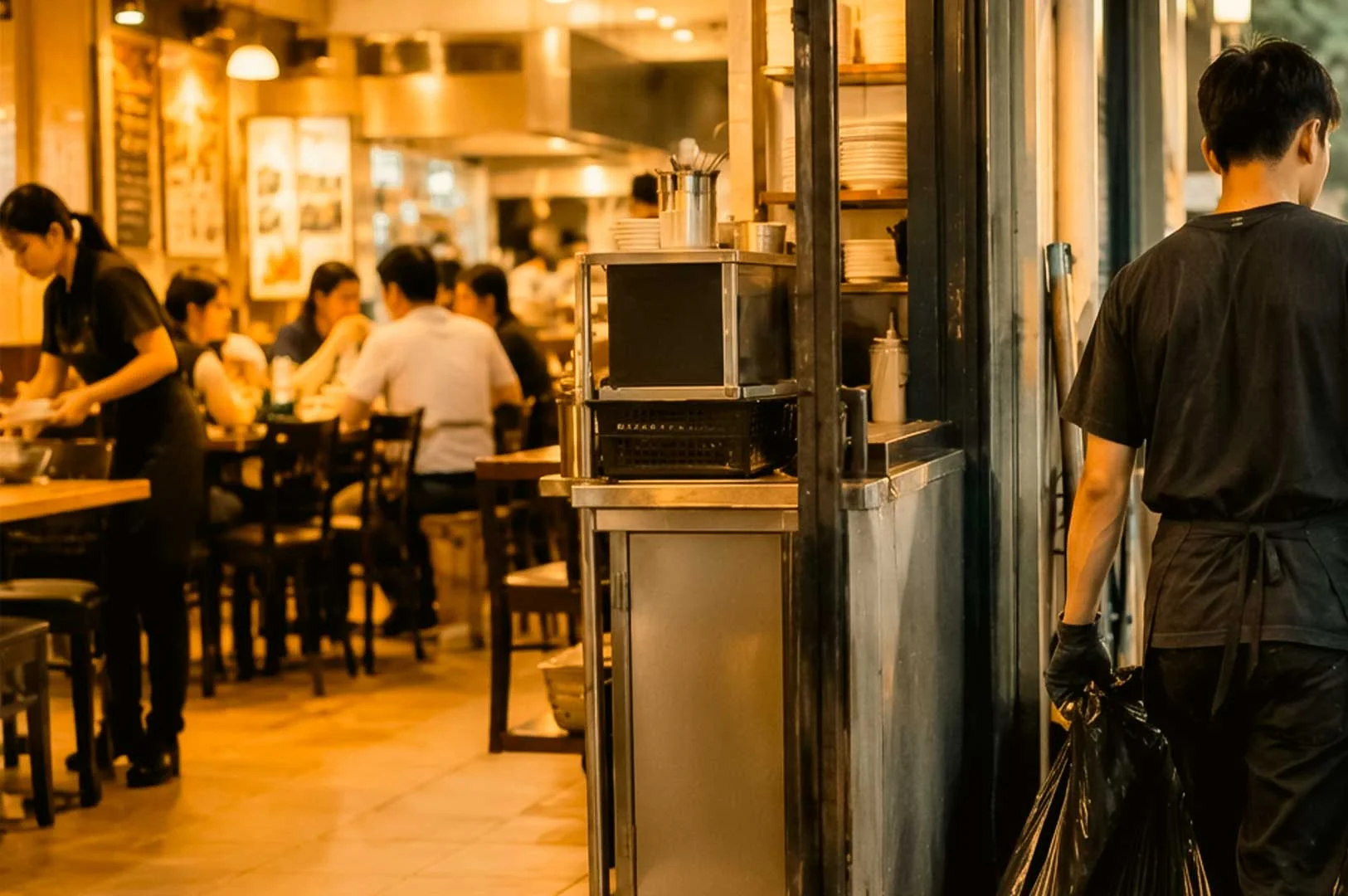
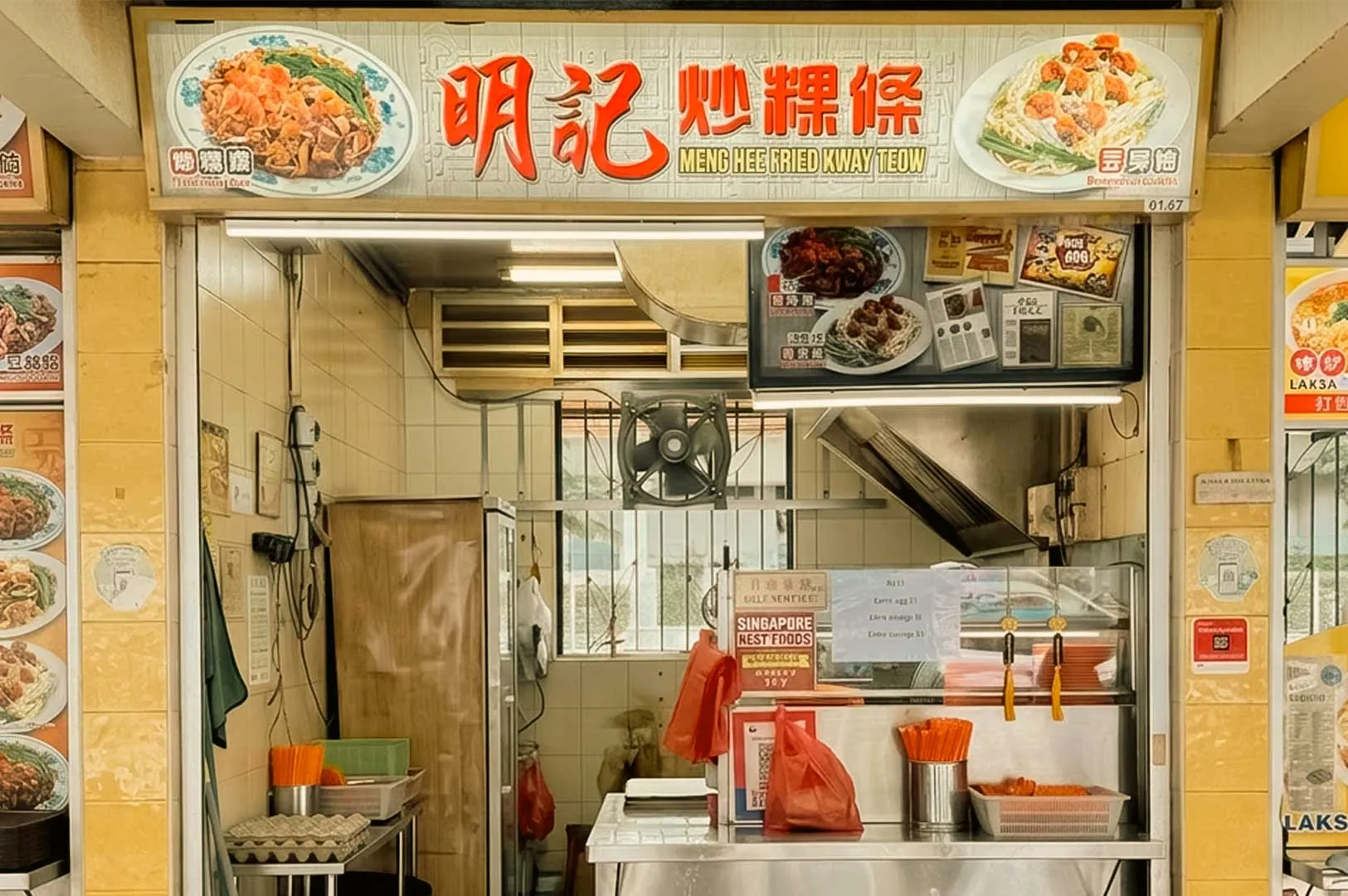
Improved access brings higher foot traffic, which inevitably leads to rising commercial rents. This economic pressure forces a shift in the local food culture. The traditional eateries that relied on low overheads and steady, older crowds often struggle to remain viable.
In their place, new dining concepts emerge to cater to a different, often younger audience willing to pay a premium for atmosphere and specialty ingredients.
You can observe this pattern in almost any developing district. Gentrification does not just replace old businesses with new ones; it rewrites the entire dining ecosystem. A neighborhood that once provided functional, everyday meals transforms into a weekend dining destination. Artisanal bakeries and craft cocktail bars move into restored shophouses.
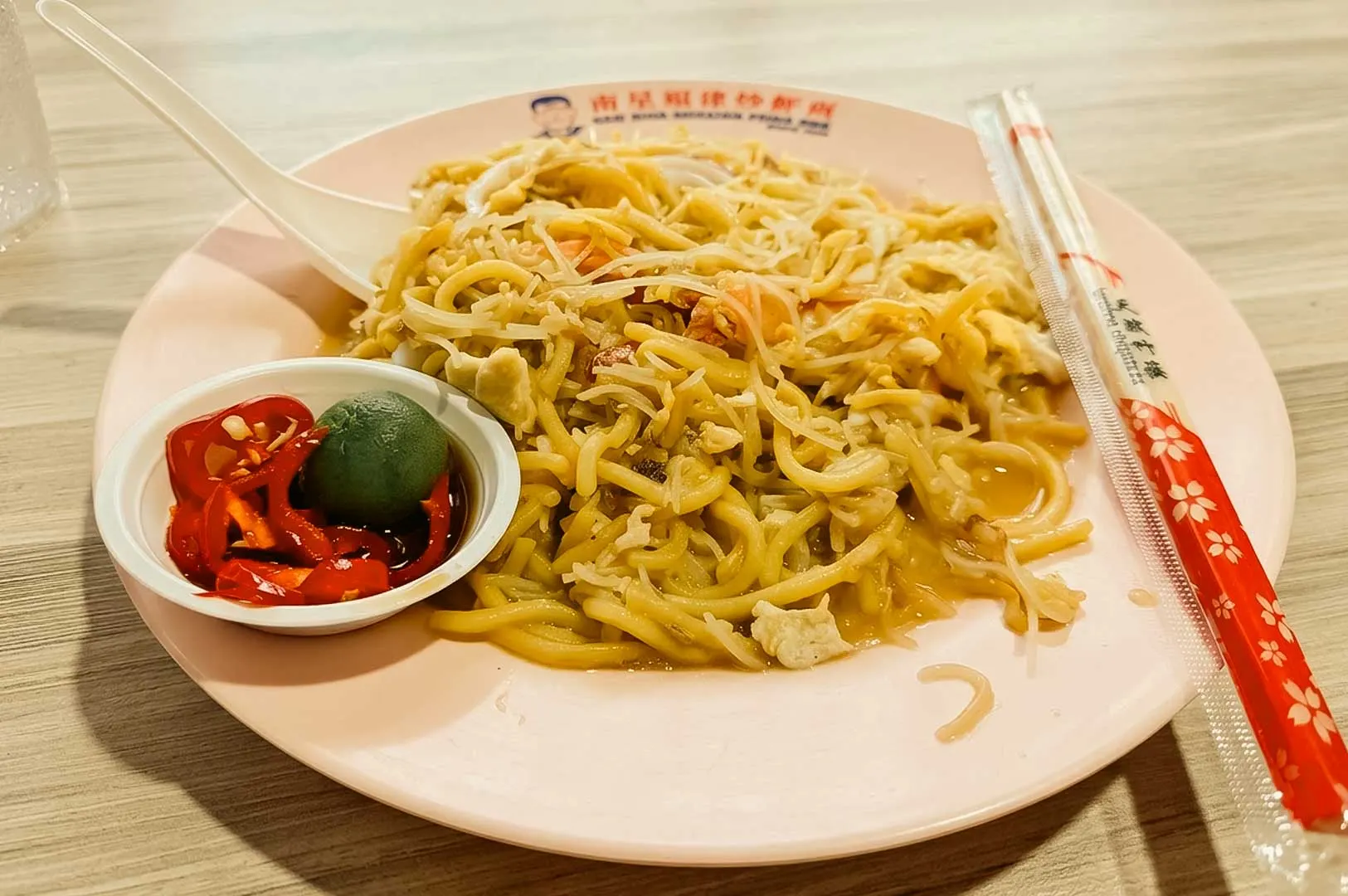
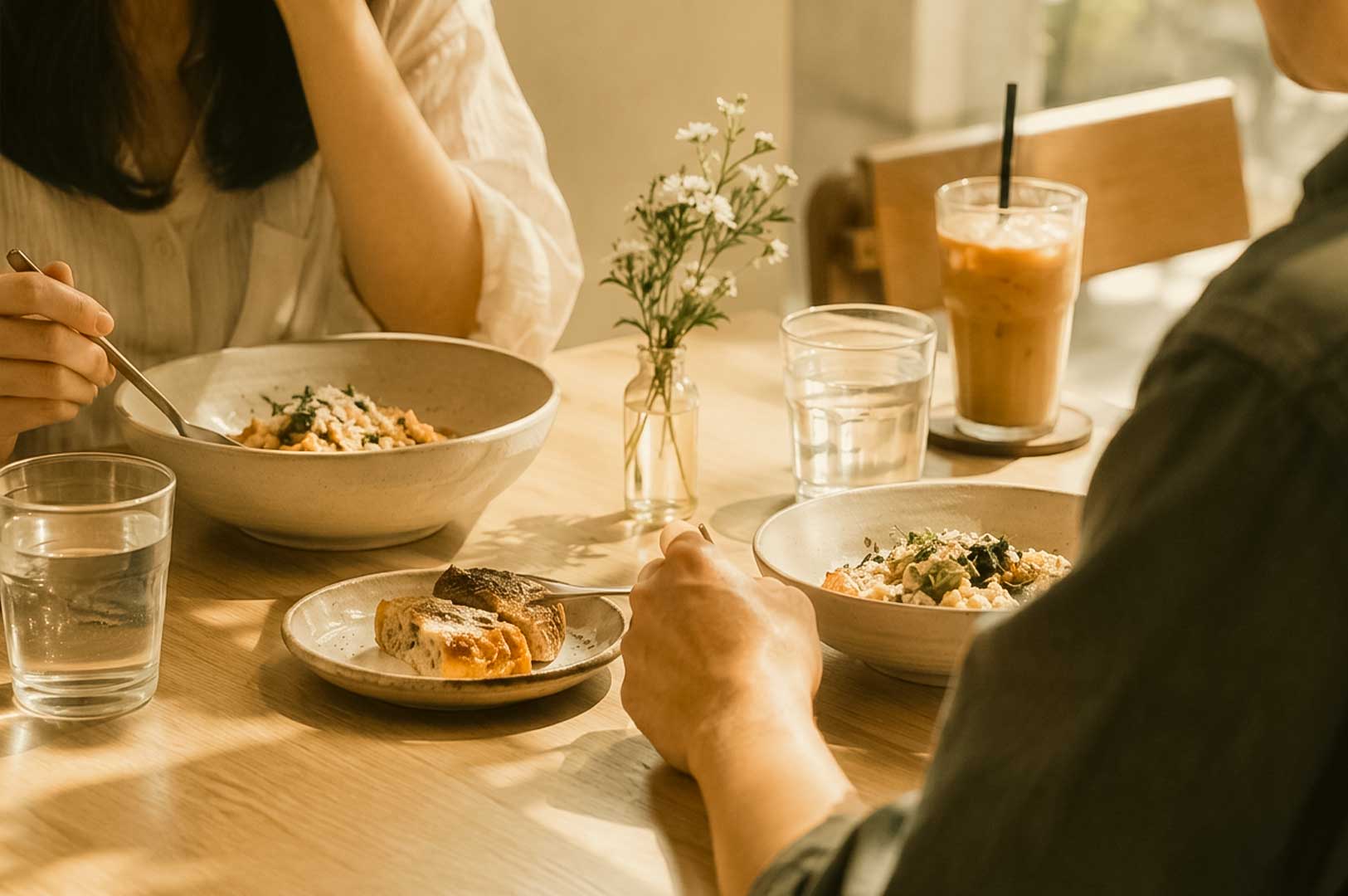
Suddenly, residents find themselves choosing between a modern fusion bowl and a time-tested plate of noodles right on the exact same block.
As these changes unfold, it becomes harder to separate food from the identity of a place. To see how these shifts affect not just what people eat, but how they connect to their neighborhoods, Town Eats SG offers a closer look at how tradition and modernity coexist across Singapore’s evolving food towns.
This redevelopment process creates a highly dynamic, sometimes tense, food landscape. We gain access to innovative cooking techniques and global flavors, but we also face the steady loss of heritage recipes that cannot survive the rising costs of a modernized city.
Ultimately, our dining habits adapt to the concrete structures built around us. As neighborhoods rebuild and expand, the food we consume evolves to match the new pace, demographic, and economic reality of the streets we walk every day.