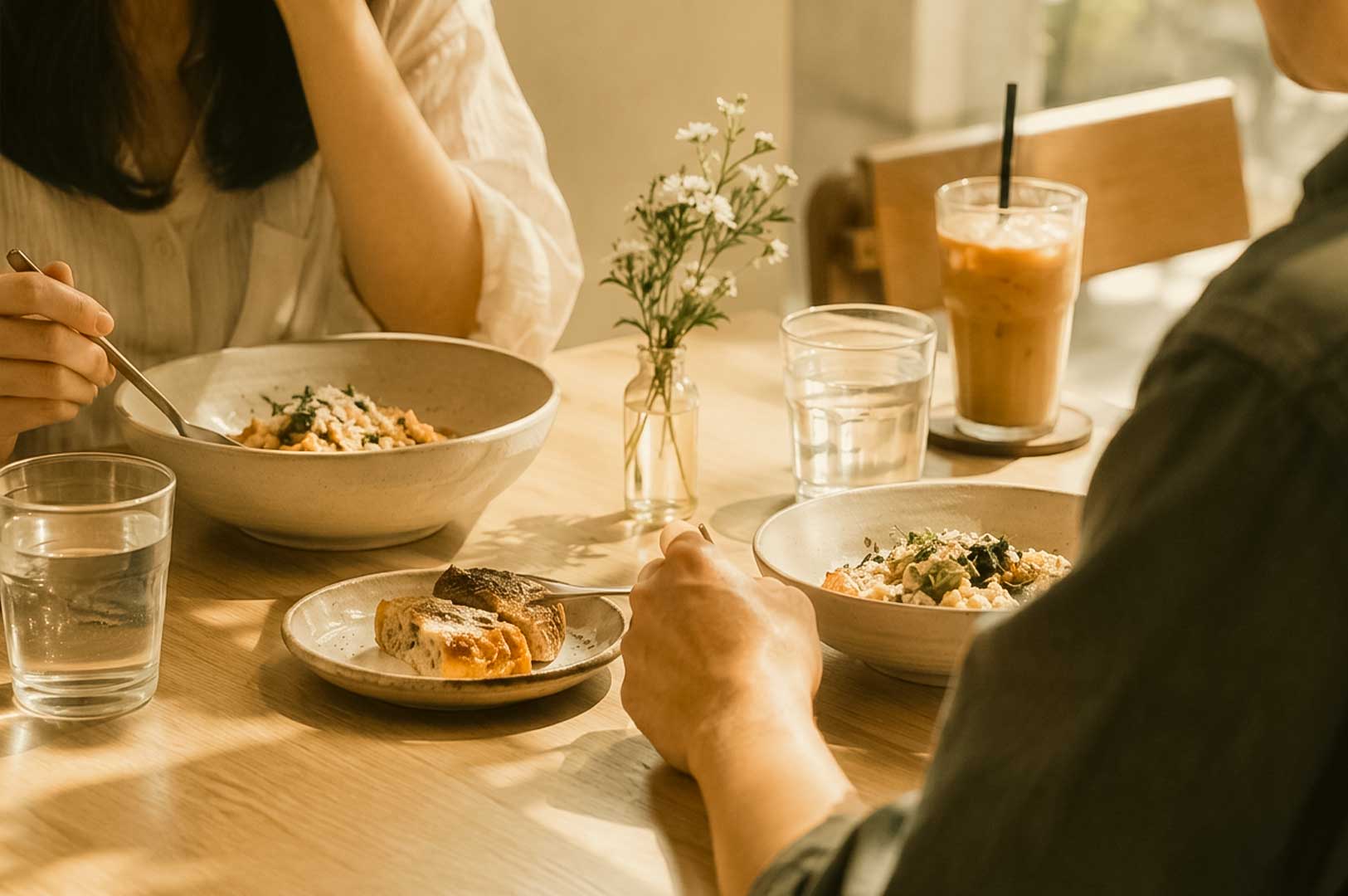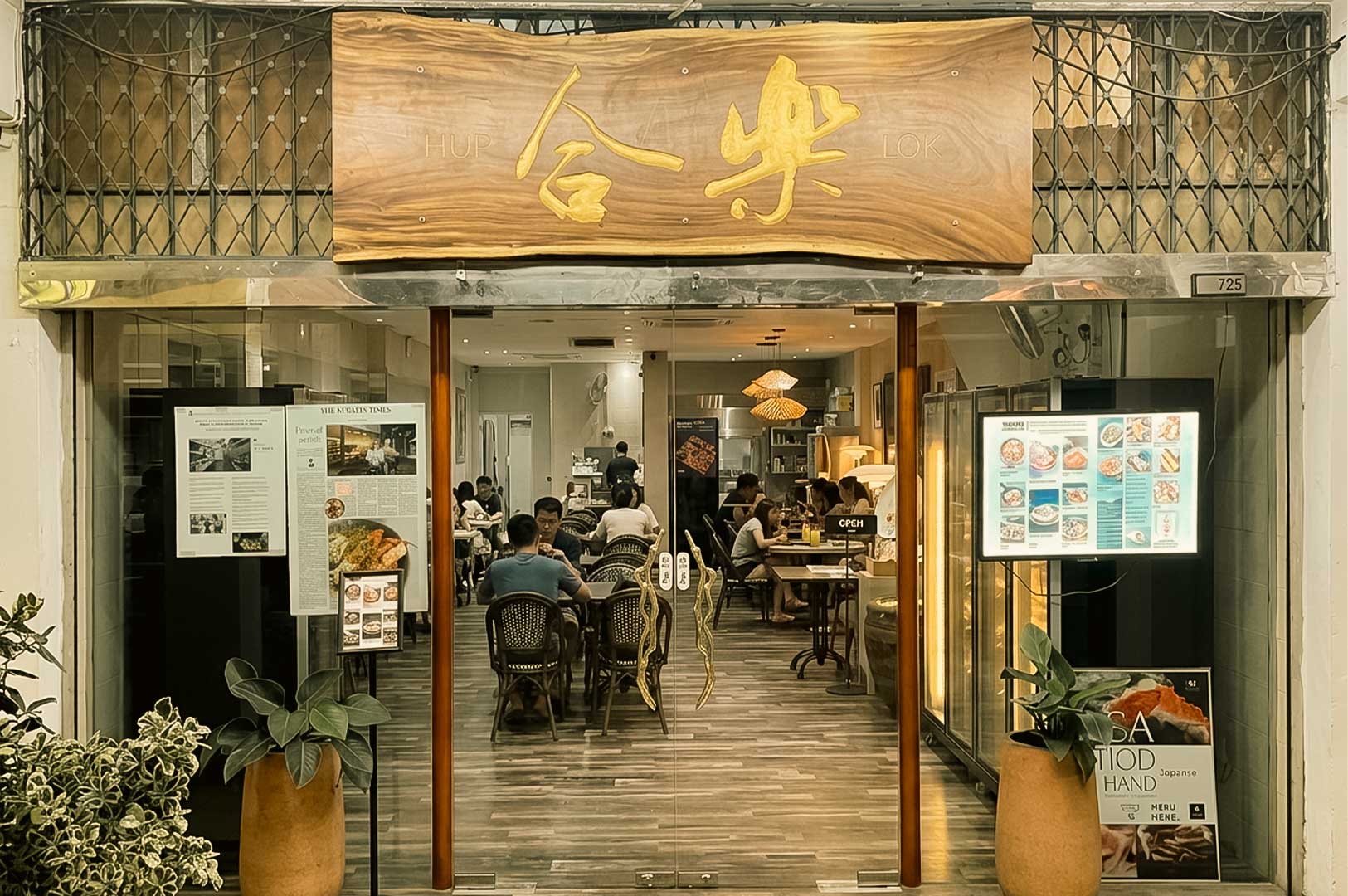
When deciding where to eat in Singapore, certain neighborhoods immediately come to mind for specific reasons. You might head to Orchard for upscale dining, Tiong Bahru for specialty coffee, or East Coast for seafood. Bishan, however, occupies a different space in the local dining landscape.
Often viewed simply as a major transit node or a mature residential estate, Bishan is rarely treated as a standalone dining destination. Yet, for thousands of residents and commuters, it serves as a highly functional, everyday food hub. It bridges the gap between old-school hawker culture, modern cafe spaces, and standard mall conveniences.
Understanding how to navigate Bishan’s food scene allows you to make better, more efficient dining choices. This guide breaks down what the neighborhood actually offers, helping you decide when and how to utilize its various dining options based on your daily schedule and practical needs.
How Bishan Works as a Food Location

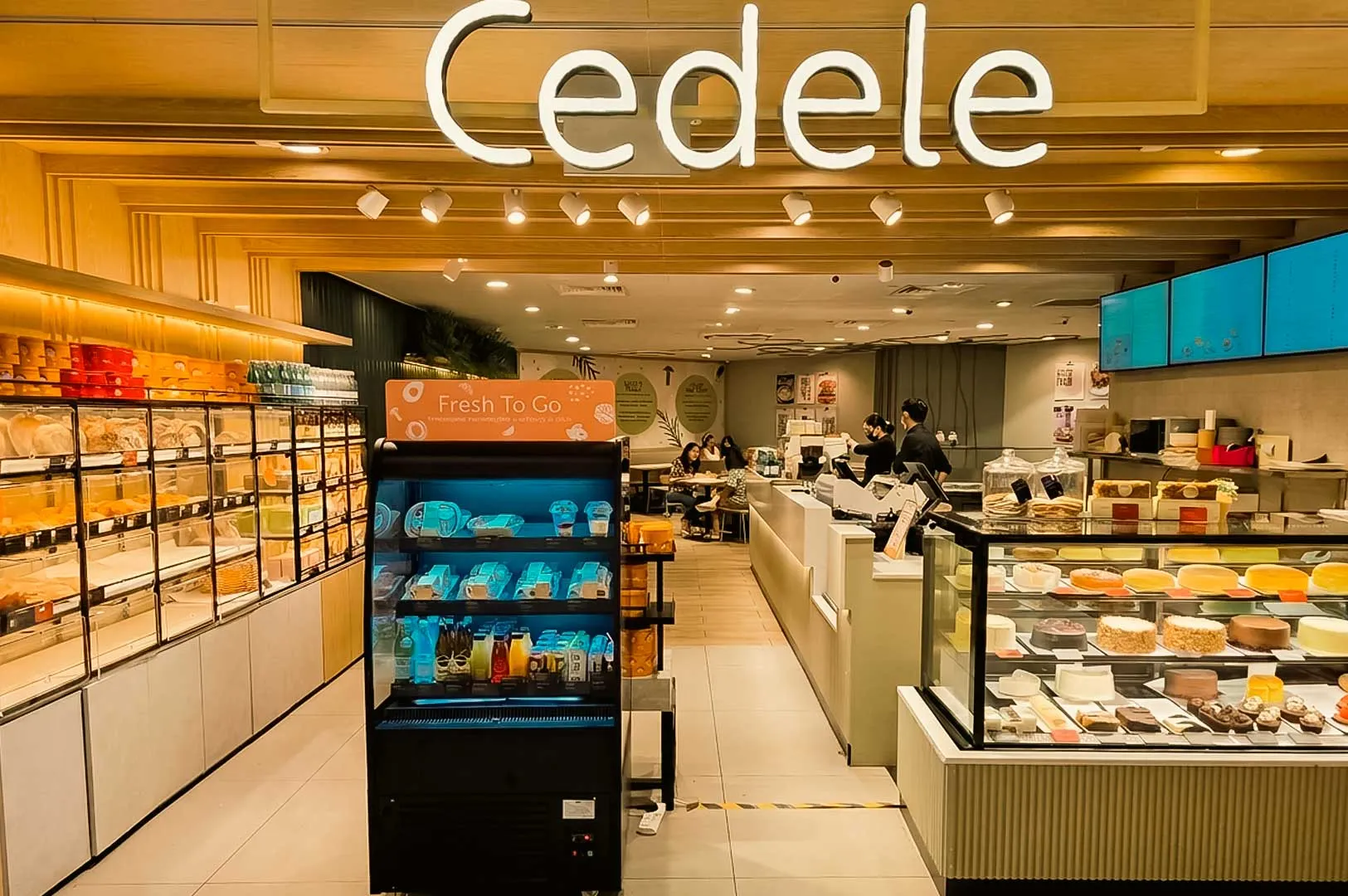
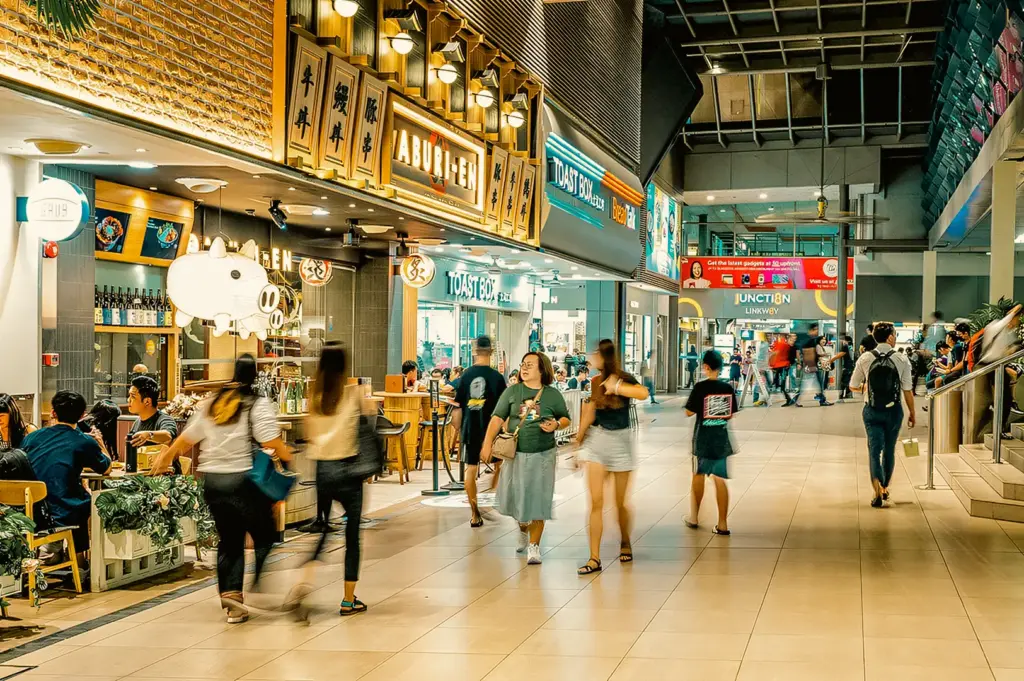
If you arrive at the Bishan MRT interchange, your immediate view is dominated by Junction 8 mall. For many, the experience of dining in Bishan begins and ends inside this mall. While convenient, the mall represents only a fraction of what the town offers.
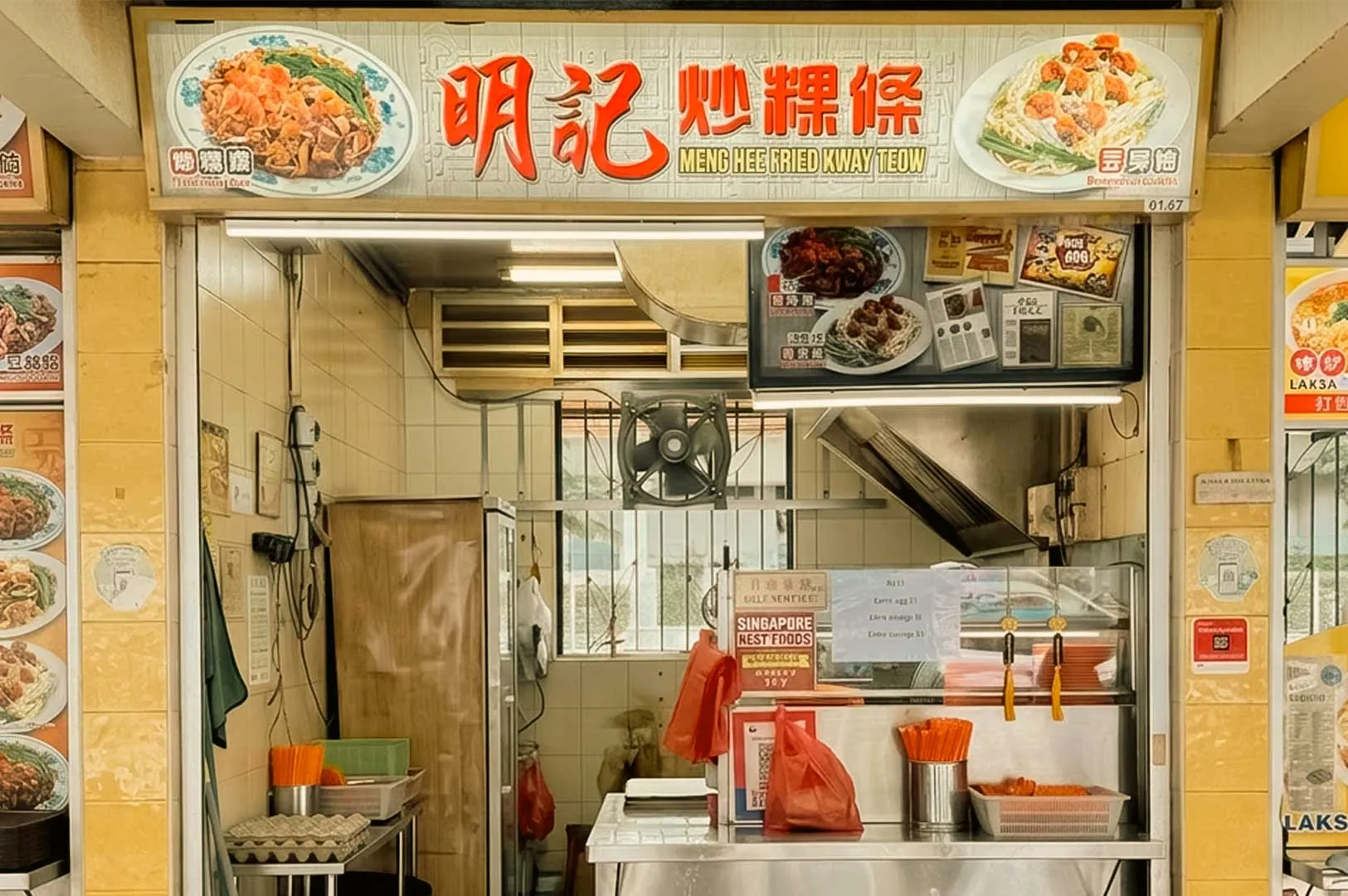
Step just five minutes away from the train station along Bishan Street, and the landscape shifts dramatically. You enter a dense network of HDB blocks, interspersed with traditional coffee shops and neighborhood eateries. These spaces cater primarily to residents, meaning the food remains authentic, straightforward, and deeply embedded in the daily routines of the community.
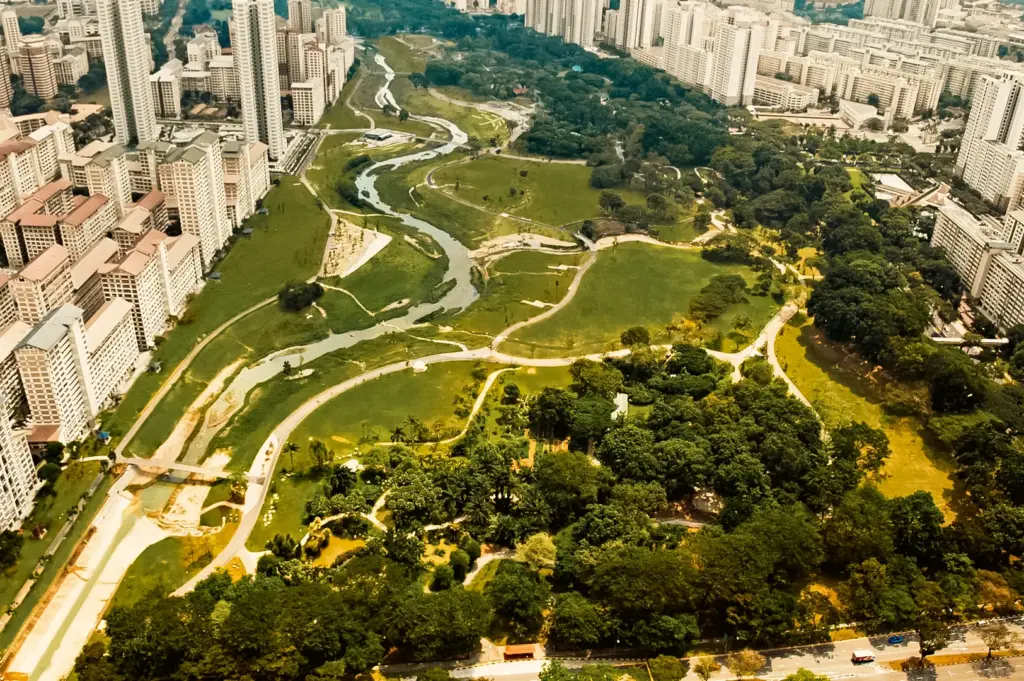
Further out, about a ten to fifteen-minute walk from the town center, lies Bishan-Ang Mo Kio Park. This massive green space introduces an entirely different dining dynamic. Here, cafes and standalone restaurants operate alongside cycling paths and dog runs, offering a more relaxed, leisure-focused environment.
Bishan does not offer highly curated, trend-chasing culinary concepts. Instead, it provides a complete, lived-in dining ecosystem. It is a place where you can grab a quick bowl of ban mian on a weekday, or enjoy a hearty meal of chicken rice at a nearby stall before heading home.
Where Most People End Up Eating First
When planning a meal in Bishan, you need to weigh a few specific factors. Breaking down these elements helps set accurate expectations for your visit.
Price and Quality Matter: From Yang Ming Seafood to Local Coffee Shops
Dining in Bishan generally falls into the mid-range category of affordability. It is cheaper than central downtown areas, but occasionally prices creep up slightly higher than less connected heartland towns.
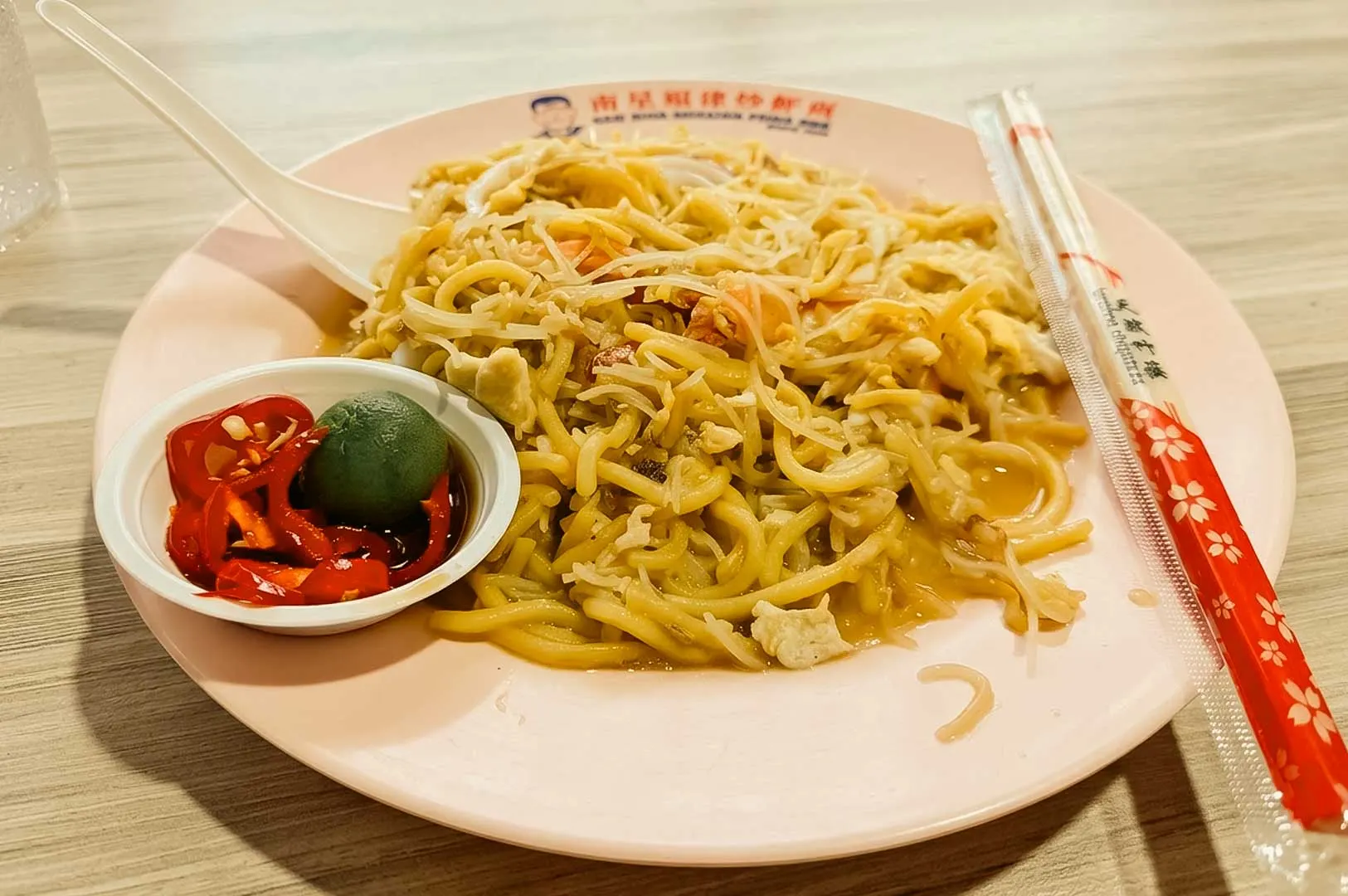
If you eat at hawker centers or block-bottom coffee shops, expect to spend between $4 and $8 for a standard meal. These spots offer the highest value for everyday dining, with generous portions of rice, meat, and other staples. For example, stalls serving kway chap or ban mian deliver hearty, satisfying meals that locals love.
If you decide to visit the cafes located near the park or nestled under the HDB blocks, a brunch plate and a coffee will typically cost between $15 and $25. Mall dining inside Junction 8 aligns with standard chain restaurant pricing across Singapore, with sit-down meals often between $15 and $30 or more per person.
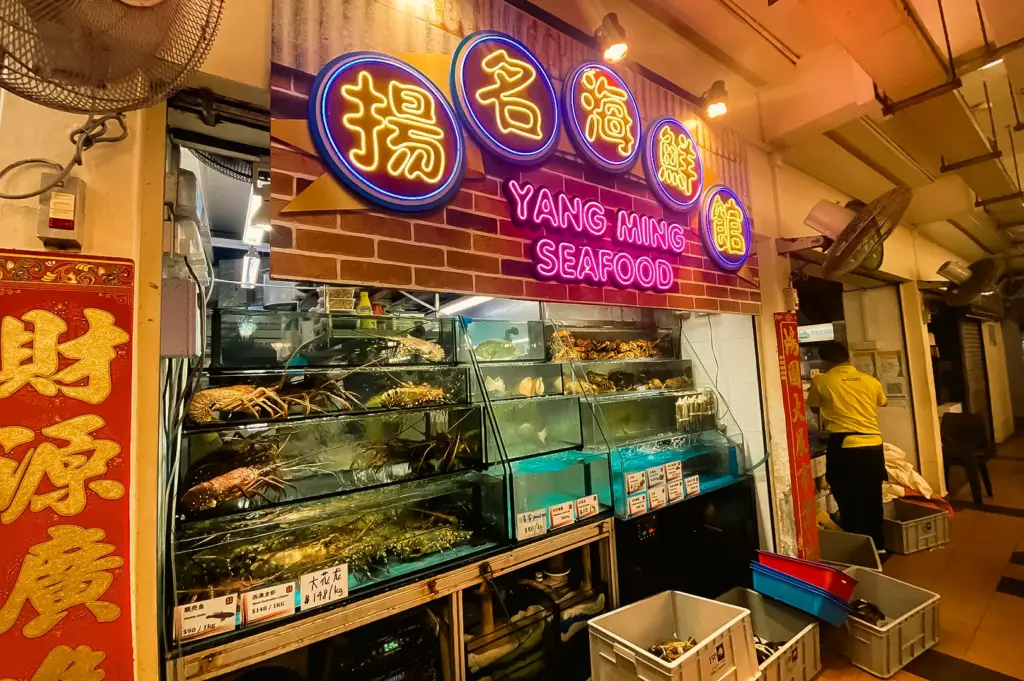
Yang Ming Seafood, a famous outlet located near Bishan Stadium, is a popular zi char eatery offering signature dishes such as Andrew Lobster with Chee Cheong Fun. This place is well known for its hearty and satisfying seafood meals, making it a must-visit for seafood lovers coming from nearby areas like Sin Ming and Upper Thomson.
What You Find Beyond the MRT Area
Bishan is exceptionally accessible. The integration of the North-South Line and the Circle Line makes it an easy meeting point for groups traveling from different parts of the island, including Toa Payoh and Ang Mo Kio.
However, convenience shifts depending on where you choose to eat. Junction 8 and the immediate coffee shops require zero extra travel. If you want to reach the park cafes or eateries in Midview City, you have to factor in a longer walk or a short feeder bus ride.
Parking can also influence your decision. While the mall has a large carpark, it frequently fills up on weekends. If you plan to eat at neighborhood coffee shops or street stalls, finding a spot in the HDB surface lots can require a bit of patience during dinner hours.
What Bishan Is Known For Food-Wise
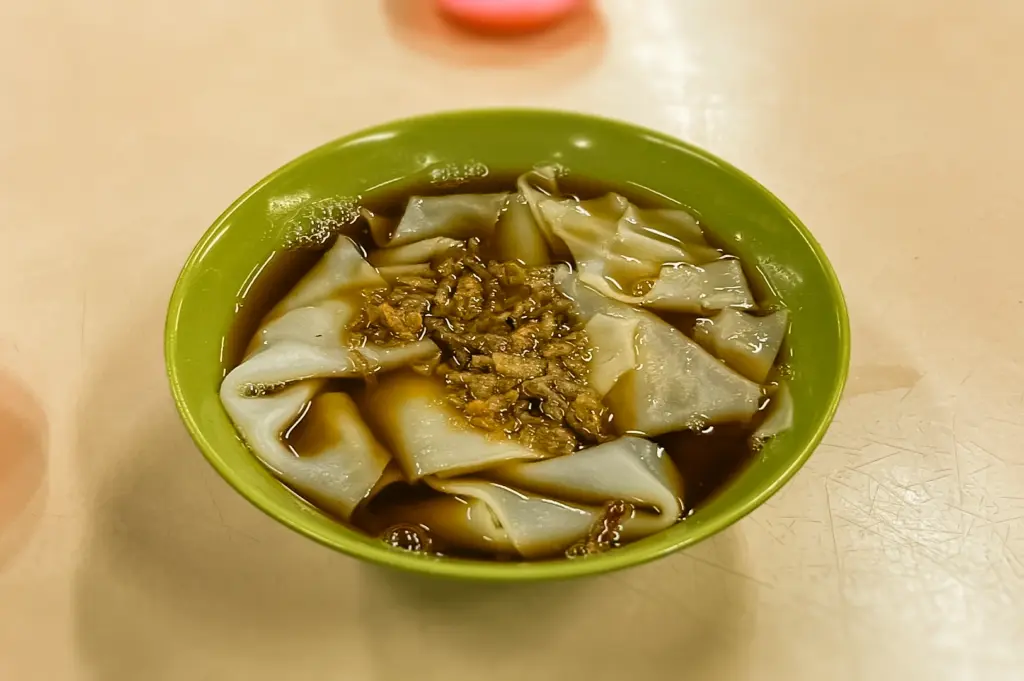
Bishan’s food scene is rich with variety. The neighborhood is famous for its chicken rice stalls serving generous portions of tender meat and fragrant rice. Nearby, stalls selling kway chap offer bowls filled with flavorful pork offal and rice sheets, perfect for a hearty meal.
For noodle lovers, ban mian stalls are a staple, serving up warm bowls of noodles in broth that satisfy on cooler days. Along Bishan Street and in the surrounding blocks, you can find hidden gems offering these traditional dishes alongside modern pasta eateries.
Yang Ming Seafood stands out as a signature seafood outlet, where dishes like Andrew Lobster are served with care and quality ingredients. This eatery has become a favorite for those seeking a satisfying meal of fresh seafood in a casual setting.
Along Bishan Street and in the surrounding blocks, you can find hidden gems offering these traditional dishes alongside modern pasta eateries. If you are also exploring vegetarian food Singapore, there are a few options around Bishan worth knowing, especially if you prefer lighter or plant-based meals.
How to Approach It: A Decision Guide for Dining in Bishan and Beyond
Choosing where to eat in Bishan depends entirely on your specific situation. Here are three common scenarios and the most practical ways to approach them.
If You Need a Fast Dinner After Work
You finish work at 6:30 PM and transit through Bishan. You want a hot, filling meal before heading home, but you are tired and do not want to deal with massive crowds.
Skip the mall entirely. Between 6 PM and 8 PM, Junction 8 is packed with students and families, and wait times for restaurants can stretch past thirty minutes. Instead, exit the station and walk toward the HDB blocks or a nearby coffee shop. You will get your food faster, pay half the price, and likely enjoy a much more comforting, home-style meal such as chicken rice or a bowl of kway chap.
The Weekend Brunch and Stroll: Enjoying Good Food near Bishan-Ang Mo Kio Park
You want to meet a friend on a Sunday morning for coffee, followed by a nice walk.
Head directly to the cafes around Bishan-Ang Mo Kio Park. However, timing is everything here. If you arrive at 11 AM, the popular spots will already have a waitlist. Plan to arrive either earlier, around 9 AM, to catch the quiet morning crowd, or delay your visit until 2 PM when the lunch rush clears out. Dress in light clothing, as the walk from the cafes into the open park can get incredibly warm.
Common Mistakes or Misconceptions About Dining in Bishan and Toa Payoh
People often misunderstand how to best utilize a heartland town for dining. Avoiding these specific errors can significantly improve your visit.
Relying Only on Junction 8
Many people meet at the MRT, walk into the mall, eat at a chain restaurant, and leave. While easy, this ignores the rich, diverse food culture sitting just hundreds of meters away. Taking a ten-minute walk out of the central hub completely changes the quality and variety of your options.
Choosing the Wrong Time for Outdoor Dining
A common mistake is planning a park-side lunch at 1 PM. Singapore’s midday heat makes walking around the open green spaces highly uncomfortable. Furthermore, the park feels empty and loses its vibrant community atmosphere during these hours. Always aim for early mornings or late afternoons if your dining plans include outdoor elements.
Avoiding Queues Without Understanding Why
During the peak lunch rush between 12 PM and 2 PM, you might see a massive line at a chicken rice stall and an entirely empty noodle stall next to it. It is tempting to choose the empty stall to save time. In a neighborhood like this, an empty stall during peak hours is a clear warning sign. Locals know exactly what tastes good and what does not. It is always better to wait in the queue.
Expecting a Cluster of Trendy Cafes
Bishan is not Tiong Bahru or Joo Chiat. The modern cafes here are spread out rather than concentrated on a single picturesque street. You need to know exactly which block or park sector you are heading to. Wandering around aimlessly hoping to stumble upon a trendy coffee shop usually results in frustration.
How to Approach Bishan for Better Dining Decisions
Use it as a functional food hub not a destination checklist.
Bishan represents the reality of everyday Singaporean dining. It does not exist to impress tourists or host high-end culinary concepts. Instead, it provides a highly efficient, deeply satisfying network of food options designed to support the people who live and work nearby.
If you treat the neighborhood like a checklist of famous spots to cross off, you might find it underwhelming. The true value of dining here lies in its dependability and the quality of its food.
The next time you find yourself deciding where to eat in the central-north area, look past the immediate convenience of the mall. Step into the neighborhood, observe, together with Town Eats SG, where the residents are gathering, and choose a meal that fits the rhythm of your day. You will find that this town offers one of the most balanced, practical dining experiences in the city, with hidden gems waiting to be discovered at every corner.