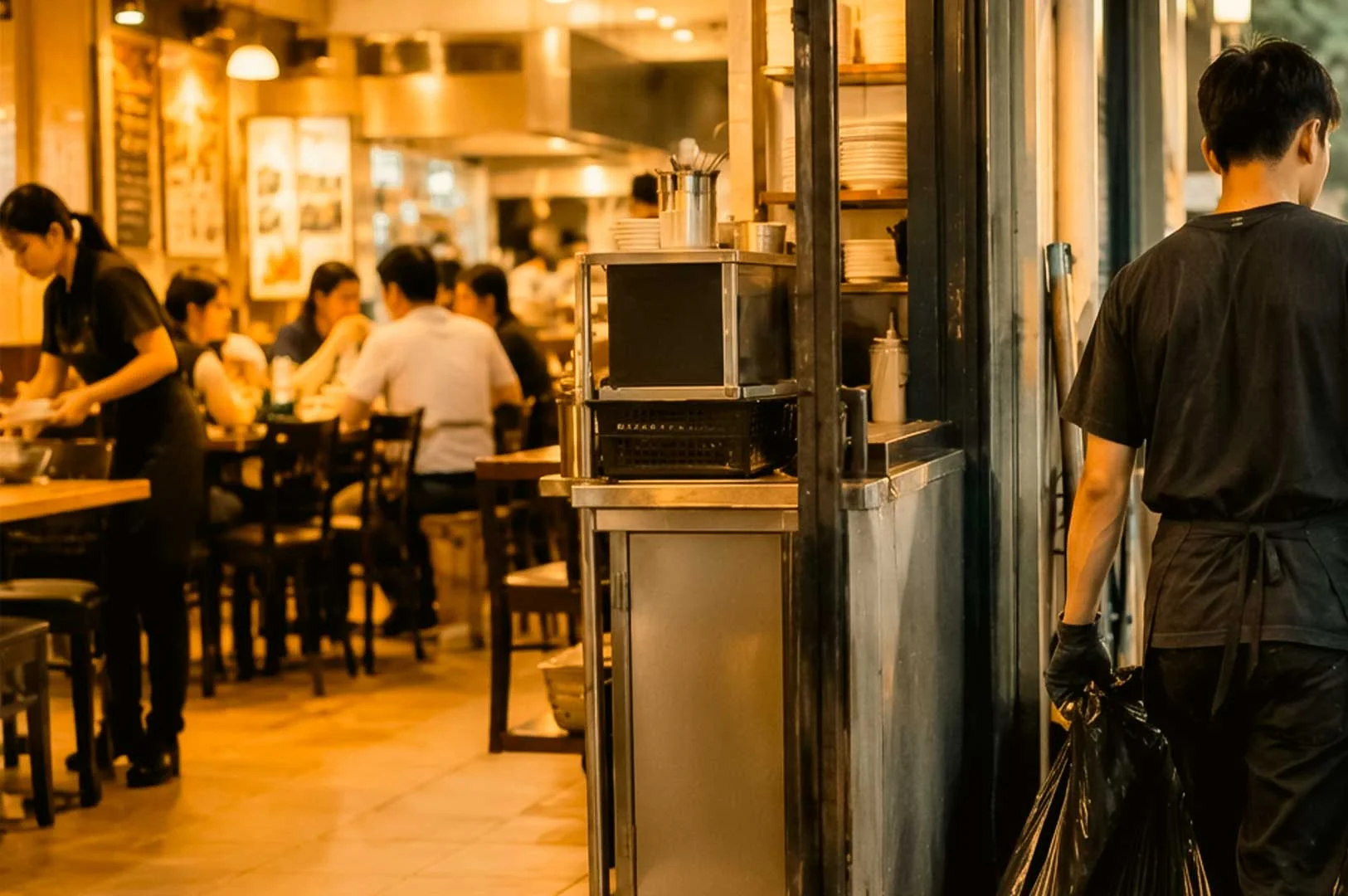
Before sunrise, Sembawang is quiet, with only a few joggers and stray cats around. Near local food centres, this calm is replaced by the comforting sounds of woks, steam, and chatter over kopi. This early morning scene is where Mee Siam Sembawang style shines—a warm, tangy noodle dish often enjoyed with soft boiled eggs. It’s more than just good food; it’s a morning ritual and a shared community experience unique to this neighborhood.
Why Mee Siam Sembawang Is the Breakfast of Choice in Singapore
Mee Siam, meaning “Siamese noodles,” reflects its Thai origins but has been embraced and adapted by Singapore’s Malay, Peranakan, and Chinese communities. It is a perfect breakfast choice because of its balanced flavor and lightness. Unlike heavy curries or plain toasts, Mee Siam’s tamarind-based sauce is light, slightly acidic, and savory—awakening the palate gently. The thin rice vermicelli noodles provide just enough energy to start the day, making it a preferred dish for many in Sembawang who enjoy unpretentious, comforting routines.
This dish stands out not only for its taste but also for its cultural significance in the region. Mee Siam’s evolution in Singapore showcases how culinary traditions can blend and adapt, creating something uniquely local yet rooted in history. The use of tamarind and dried shrimp in the sauce adds a depth of umami and tang that distinguishes it from other noodle dishes. The balance of sweet, sour, and spicy elements makes it a versatile dish that appeals to a wide range of palates, from children to the elderly.
Moreover, Mee Siam’s preparation is an art in itself. The sauce requires careful simmering to achieve the right consistency and flavor balance. Vendors often guard their recipes closely, ensuring that each batch maintains the characteristic taste that customers expect. The addition of soft boiled eggs complements the noodles perfectly, adding richness and a smooth texture that contrasts with the tangy sauce.
In Sembawang, Mee Siam is more than just food; it’s part of the social fabric. Early mornings see locals gathering around hawker stalls, sharing stories over plates of this beloved dish. This communal aspect adds to the dish’s appeal, making it a symbol of togetherness and local identity. Its affordability and accessibility also mean that Mee Siam is enjoyed by people from all walks of life, reinforcing its status as a true neighborhood staple.
The Cultural Importance of Breakfast and Brunch in Sembawang
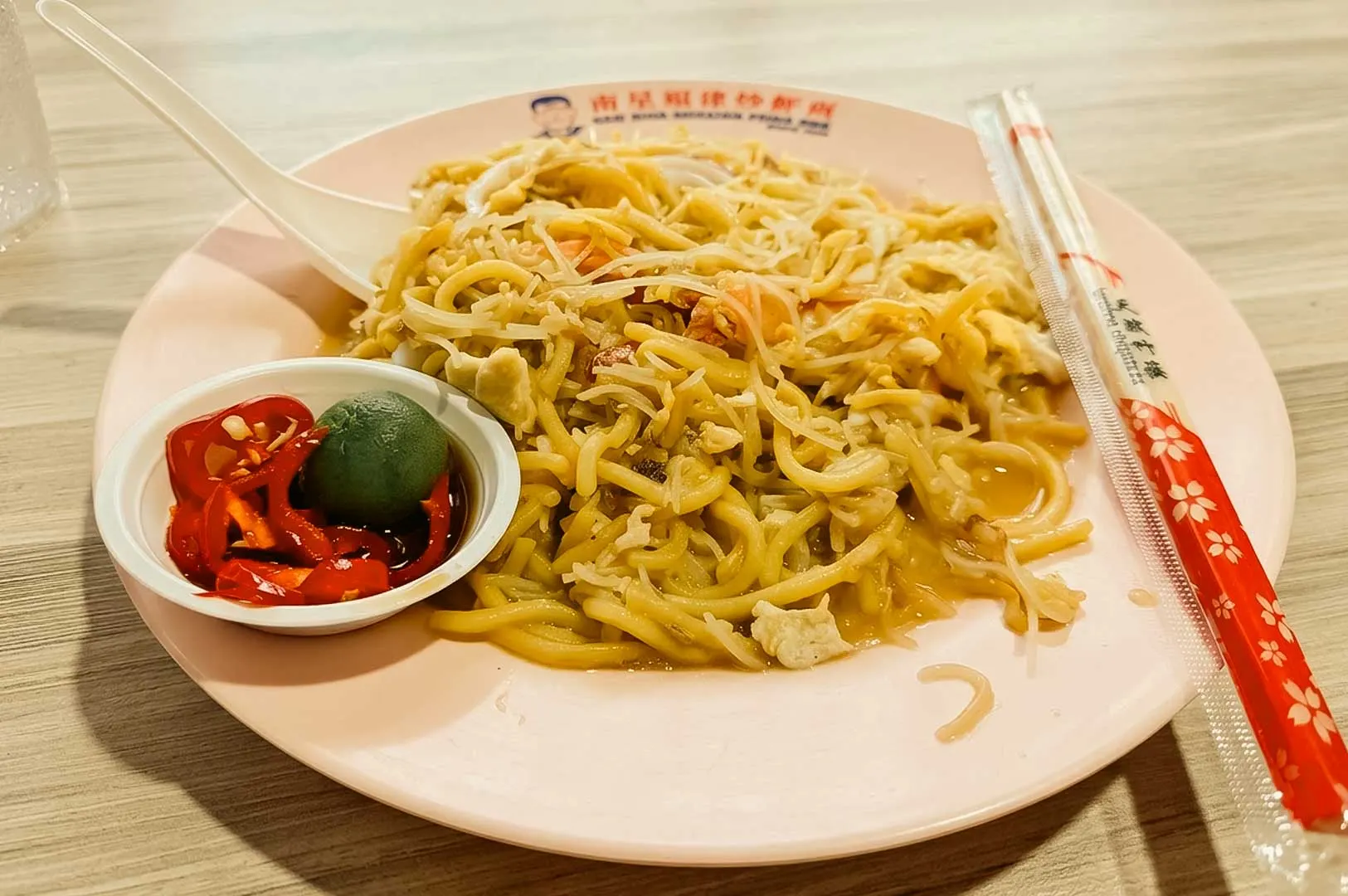
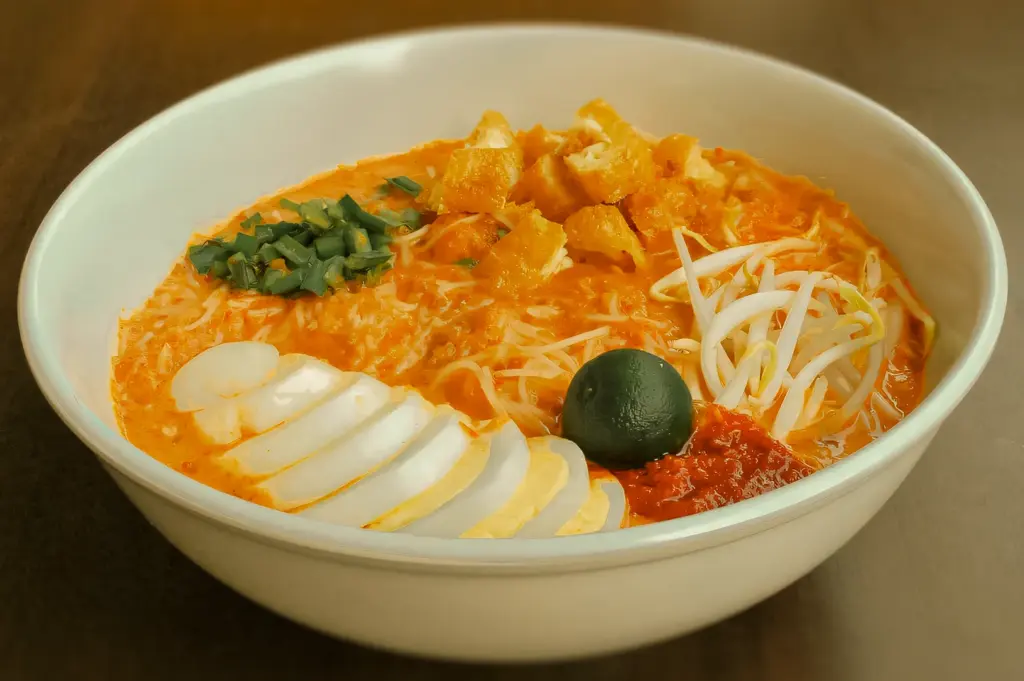
Breakfast in Sembawang is a social affair. Unlike rushed meals on the go, sitting down for Mee Siam during peak hours at a hawker centre is a communal experience. Retirees, young parents, and night-shift workers all gather here, making it a warm, shared space. Mee Siam invites you to slow down—mixing sambal into the sauce, squeezing calamansi over noodles, and savoring the flavors. This ritual offers a unique way to enjoy brunch and connect with the community.
What Makes Mee Siam Stand Out in Sembawang with Soft Boiled Eggs
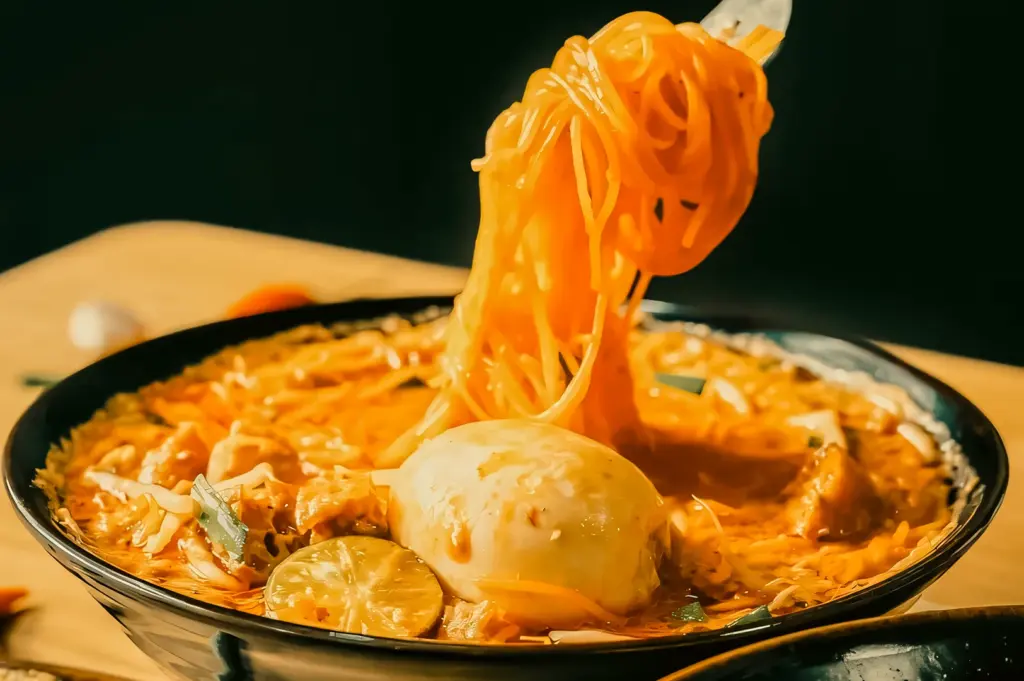
Mee Siam’s ingredients are simple: fine rice vermicelli, a sauce that balances sweet, sour, and spicy notes made from tamarind, fermented soybean paste, dried shrimp, and aromatics like lemongrass and galangal. Toppings include soft boiled eggs, garlic chives, bean sprouts, and tofu puffs that soak up the flavorful sauce. Unlike some cafes that might add cheese or other modern twists, Sembawang’s Mee Siam sticks to traditional garnishments and flavors.
The difference in Sembawang’s Mee Siam lies in the home-style, generous portions and a savory-spicy sauce that’s less sweet than city versions. Many stalls prepare their own fiery sambal, loved by locals who often prefer an extra ladle of sauce. This care and familiarity make the dish stand out on the menu and keep customers coming back.
Sembawang’s Favourite Mee Siam Spots and Cafes to Head To
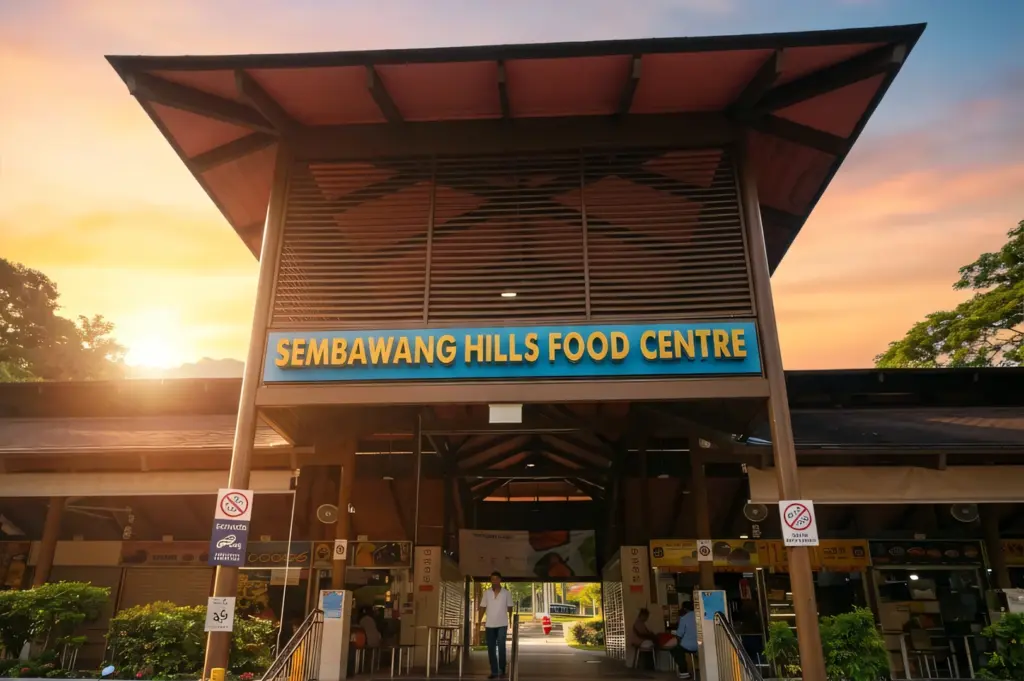
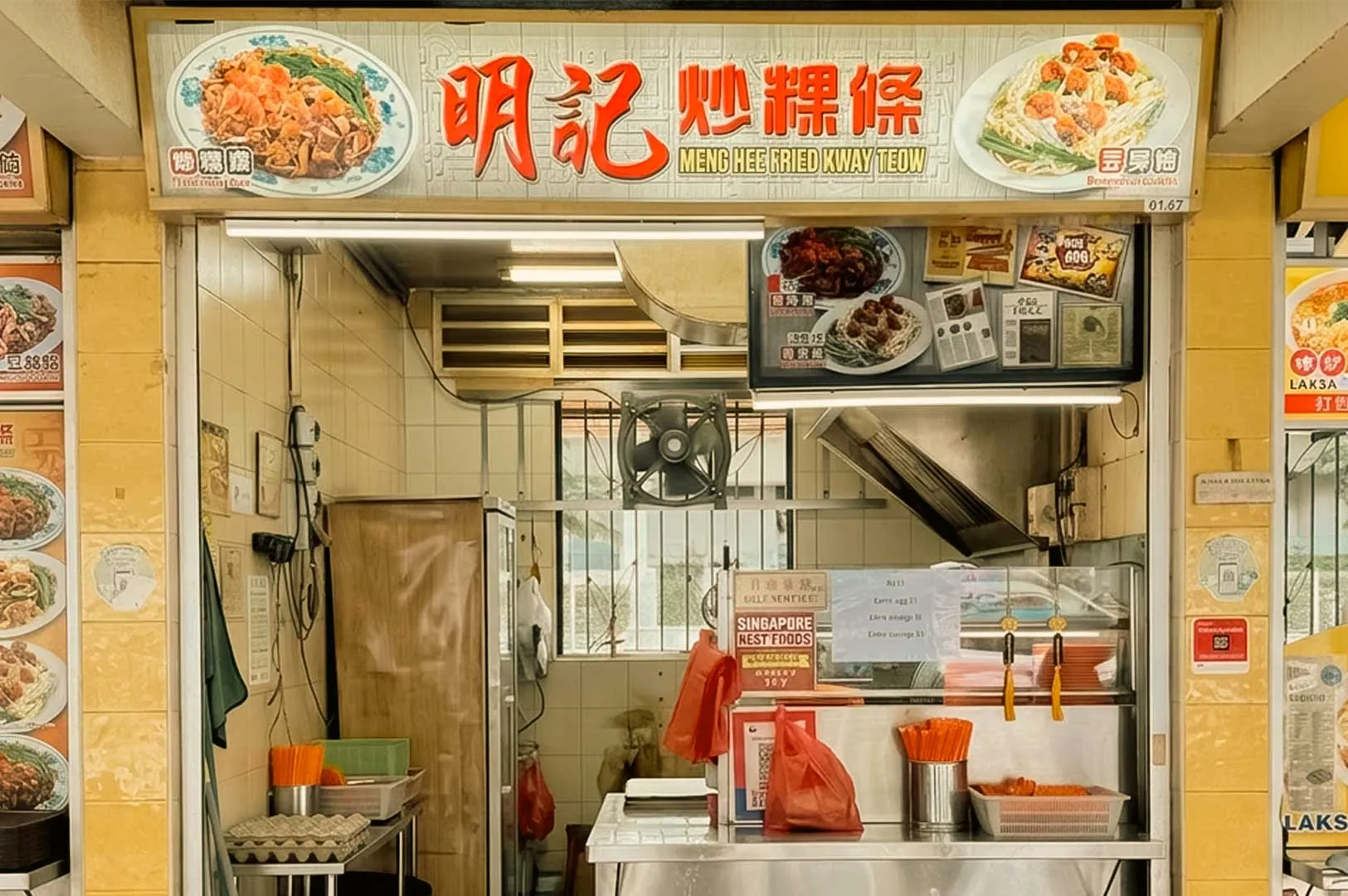
Local favourites include traditional Malay stalls in Sembawang Hills Food Centre, where queues form early during peak hours. The makcik running the stall moves with practiced efficiency, serving a robust sauce with deep dried shrimp flavor. Nearby Bukit Canberra Hawker Centre also offers a popular Mee Siam with a house-made sambal that post-run joggers enjoy, highlighting the dish’s role in community life.
Why Sembawang and Yishun Early Risers Prefer Mee Siam
Mee Siam is affordable, making it accessible to all—from blue-collar workers to retirees. Its lightness is another big draw. As one local uncle said, “If I eat nasi lemak, I want to go back to sleep. Mee Siam wakes me up.” The tamarind acidity refreshes the palate and energizes without heaviness.
Moreover, Mee Siam connects many to their homes and childhoods. It’s a nostalgic dish that reminds residents of weekend breakfasts and school tuckshop treats. Eating it daily provides comfort and a culinary link to the past. This affordability and emotional connection make Mee Siam a beloved staple in Sembawang, where food is not just sustenance but a shared cultural experience.
The dish’s simple ingredients belie the complexity of its flavors. The tamarind-based gravy, fermented soybean paste, and dried shrimp create a harmonious blend of sweet, sour, and umami notes that awaken the senses. The accompanying soft boiled eggs add richness and texture, balancing the tangy sauce. This combination appeals to a wide range of palates, from young children to the elderly.
In Sembawang, Mee Siam is more than just a breakfast option; it is a symbol of community resilience and continuity. Many stalls have been family-run for decades, passing down recipes and techniques through generations. This continuity preserves the authenticity of the dish and strengthens the neighborhood’s culinary identity.
Additionally, the dish’s versatility allows for variations while maintaining its core essence. Some stalls offer a “dry” Mee Siam Goreng version, fried with spices and garnished with crispy shallots and fresh herbs, catering to those who prefer a different texture and flavor profile. However, the “wet” version with its luscious gravy remains the favorite among locals.
Finally, Mee Siam’s role in Sembawang’s morning routine underscores the importance of food in fostering social bonds. Sharing a meal at a hawker centre or cafe creates opportunities for conversation, connection, and community building. It is this blend of affordability, flavor, nostalgia, and social significance that cements Mee Siam’s place as the simple joy of breakfast in Sembawang.
The Quiet Anchor of the Morning in Sembawang and Beyond
A neighbourhood’s identity is often found in its morning meals. Mee Siam Sembawang style reflects the town’s unpretentious, traditional spirit and strong community bonds. It doesn’t rely on flashy ingredients or marketing but on honest cooking and balanced flavors.
Next time you’re in Singapore’s north, set your alarm early and head to a local food centre or cafe to enjoy a plate of Mee Siam with soft boiled eggs. Join the locals in savoring this unique dish, and you might find yourself returning to Yishun and Sembawang for more of your favourites. To stay informed, read community reviews and update yourself on the latest menus and dining spots in the area.