The first time a stall owner remembers your order, it feels convenient.
The second or third time, it begins to feel like something else.
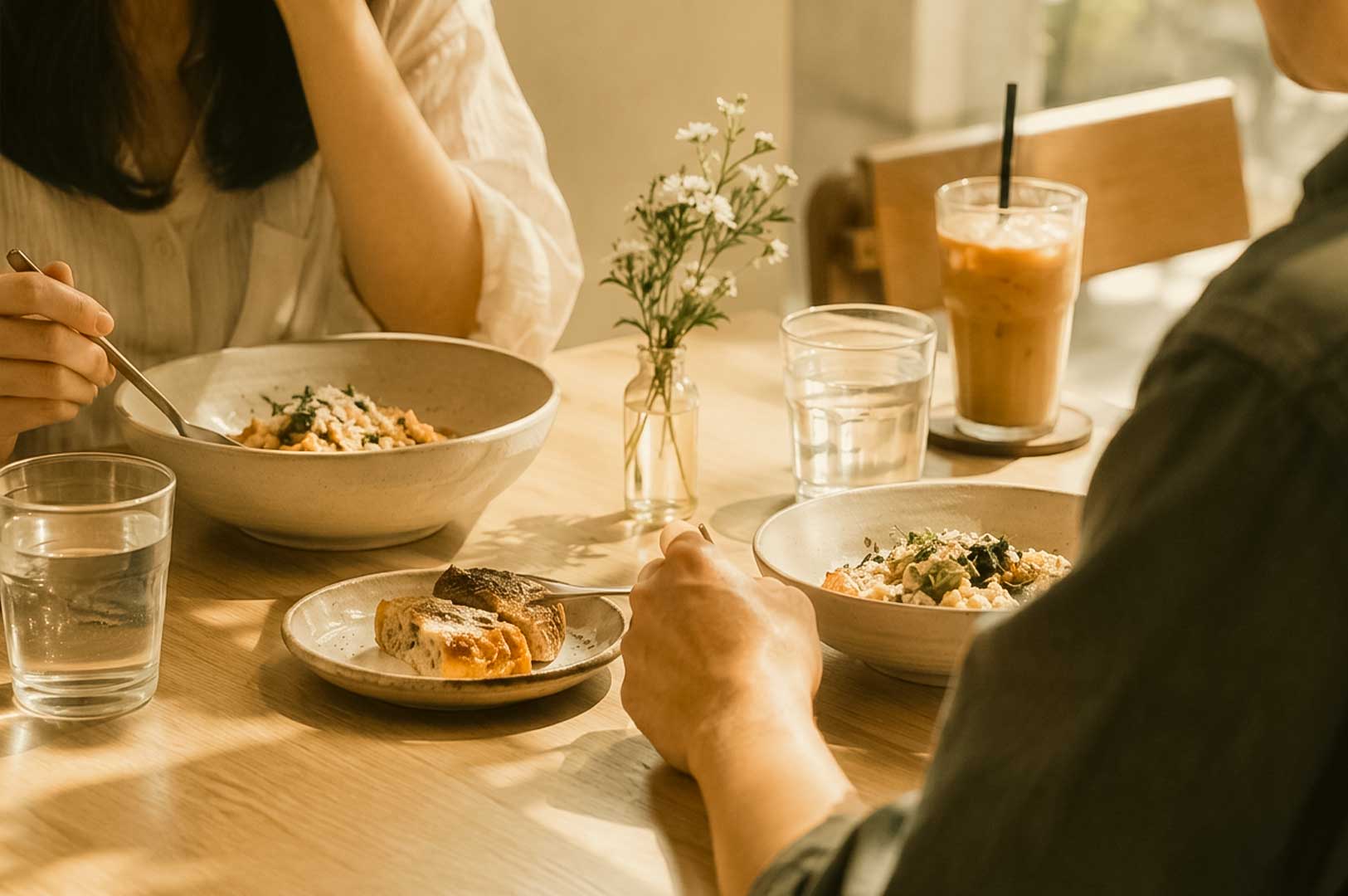
I noticed this a few years ago at a neighbourhood coffee shop. Before I could finish my sentence, the uncle behind the counter was already preparing my usual order. There was no dramatic moment attached to it. No lengthy conversation. Just a nod, a brief smile, and an understanding that had quietly formed through repetition.
What stayed with me was not that he remembered the food. It was that he remembered me.
In a city where so much of daily life moves quickly, these small recognitions feel surprisingly significant. We spend our days surrounded by strangers on trains, in shopping malls, and along crowded walkways. Yet a familiar stall owner can create a rare sense of continuity within all that movement.
I felt something similar during a visit to a traditional Nasi Padang hawker stall in Clementi, where regular customers exchanged greetings with the owners as naturally as they ordered their meals. The food mattered, of course, but so did the relationships built around it.
Perhaps that is why neighbourhood food places endure.
People return for flavour, but they also return for familiarity. The auntie who asks about your family. The uncle who knows you prefer extra sambal. The simple comfort of being expected.
Recognition turns a transaction into a relationship.
And while it may seem like a small thing, I think many of us are searching for exactly that. Not attention. Not special treatment.
Just a reminder that, in some small corner of the city, somebody knows we have been there before.