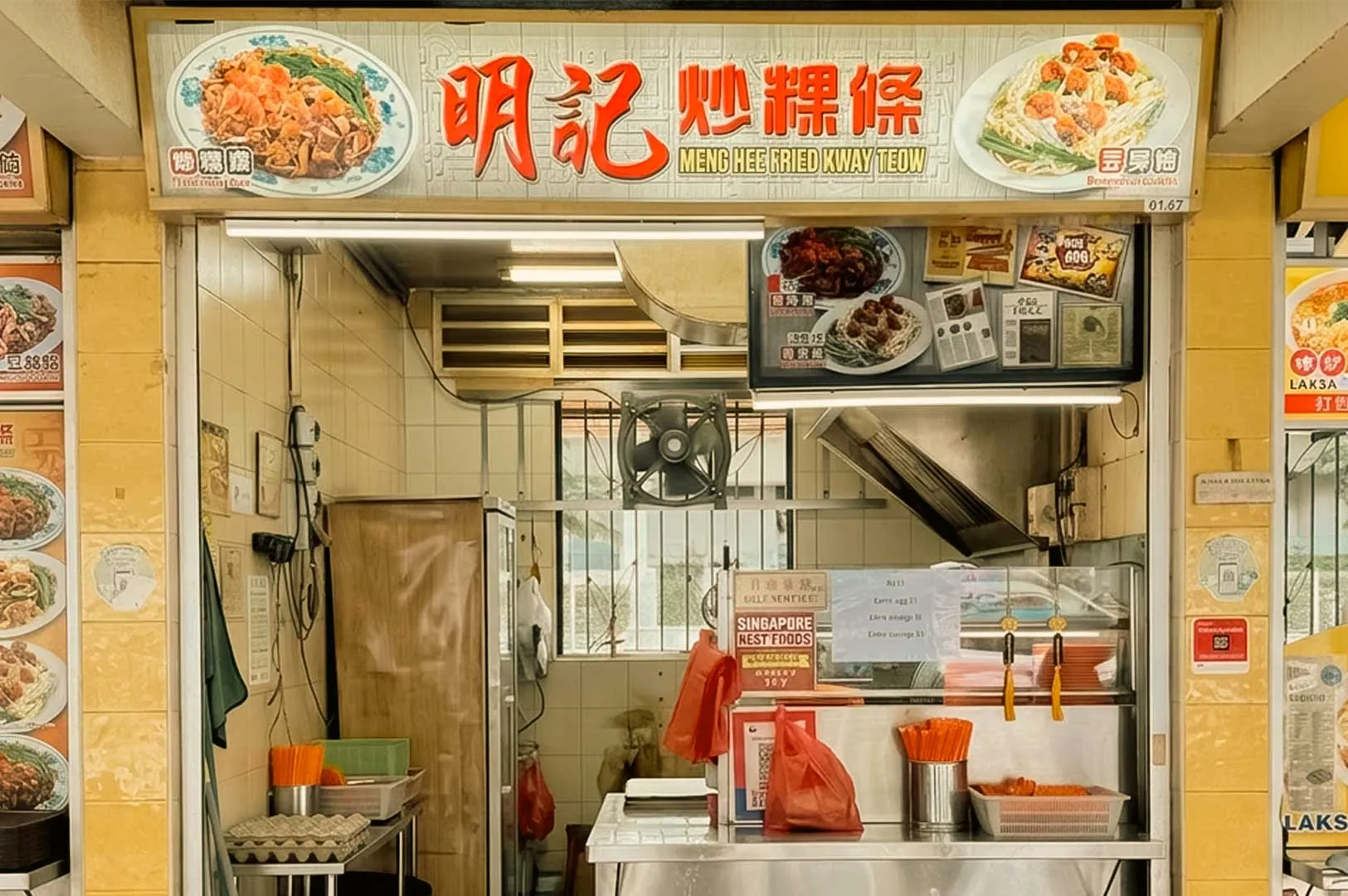
At Meng Kee Fried Kway Teow, the queue tells you most of what you need to know before the first plate leaves the wok.
I stood there watching each order come together one at a time, with a hint of smoke hanging around the stall. The wait was a tad longer than I expected, but in this part of the Havelock Road, nobody seemed particularly surprised.
Some regulars would probably swear by the wok hei. I was more curious about whether the freshness of the ingredients and the way each plate was fried could create something genuinely good beyond the stall’s reputation.
The Story Behind Meng Kee Fried Kway Teow
Meng Kee has been frying char kway teow for more than four decades. The stall started with a father at the wok. Today, his daughter does the frying. Before that, it ran out of Wei Xuan Eating House further along Havelock Road, then moved into the food centre nearby, where the popular stall now sits at #01-07, Singapore 161022.
What stuck with me is how she cooks. She doesn’t fry big batches. She works plate by plate, or a few at a time, and that’s how the texture stays where it should be.
Inside Havelock Road Cooked Food Centre
You’ll find the stall at #01-07 in Havelock Road Cooked Food Centre, Block 22A. It’s a modest, L-shaped hawker centre, where the locals have their usual tables and their usual stalls.
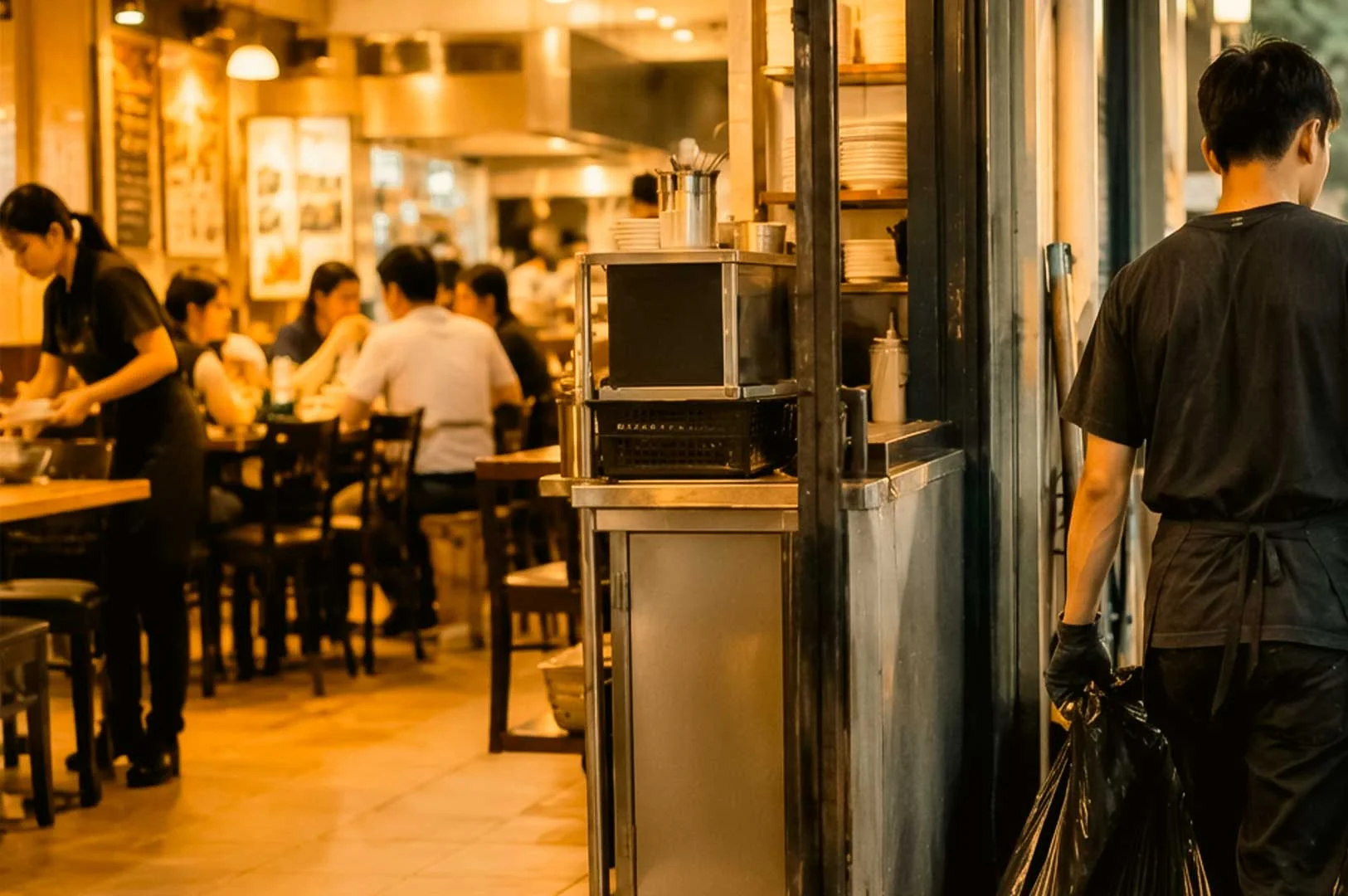
There’s nothing to dress up here. The tables are shared and the fans keep turning. A kway chap stall a few units away sends out the smell of braising sauce, and someone at the next table is working through a bowl of soup with fish cake.
It feels like a neighbourhood place, because it is one. If you’re exploring further, the stalls around it are also part of the best Havelock food to check out in the area.
What’s on the Menu at Meng Kee
The menu is short. Char kway teow is the main draw, available in two sizes:
Regular plate: S$4
Larger plate: S$5
You can add extras:
Egg: S$1
Chinese sausage: S$1
Cockles: S$2
I’d recommend ordering the standard plate first. Taste it the way she means it to be eaten, with the egg, lup cheong and blood cockles already worked through the noodles. Add the extras on your next visit.
How the Fried Kway Teow Tastes
Wok Hei and a Dark, Glossy Sauce
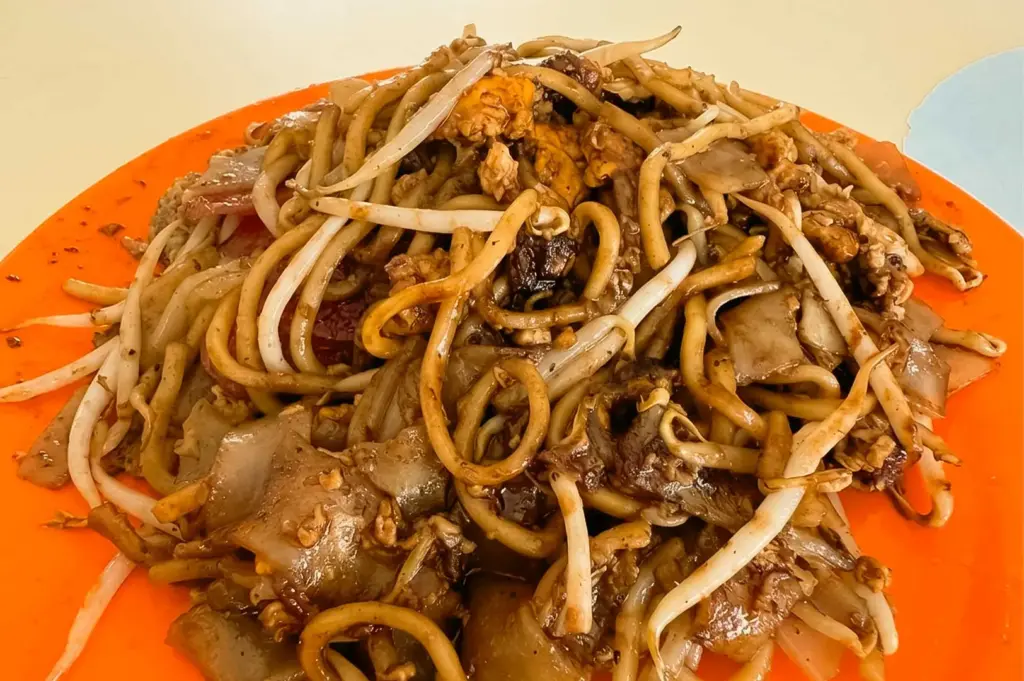
The wok hei comes through first. The smokiness rises off the plate before you even pick up your fork.
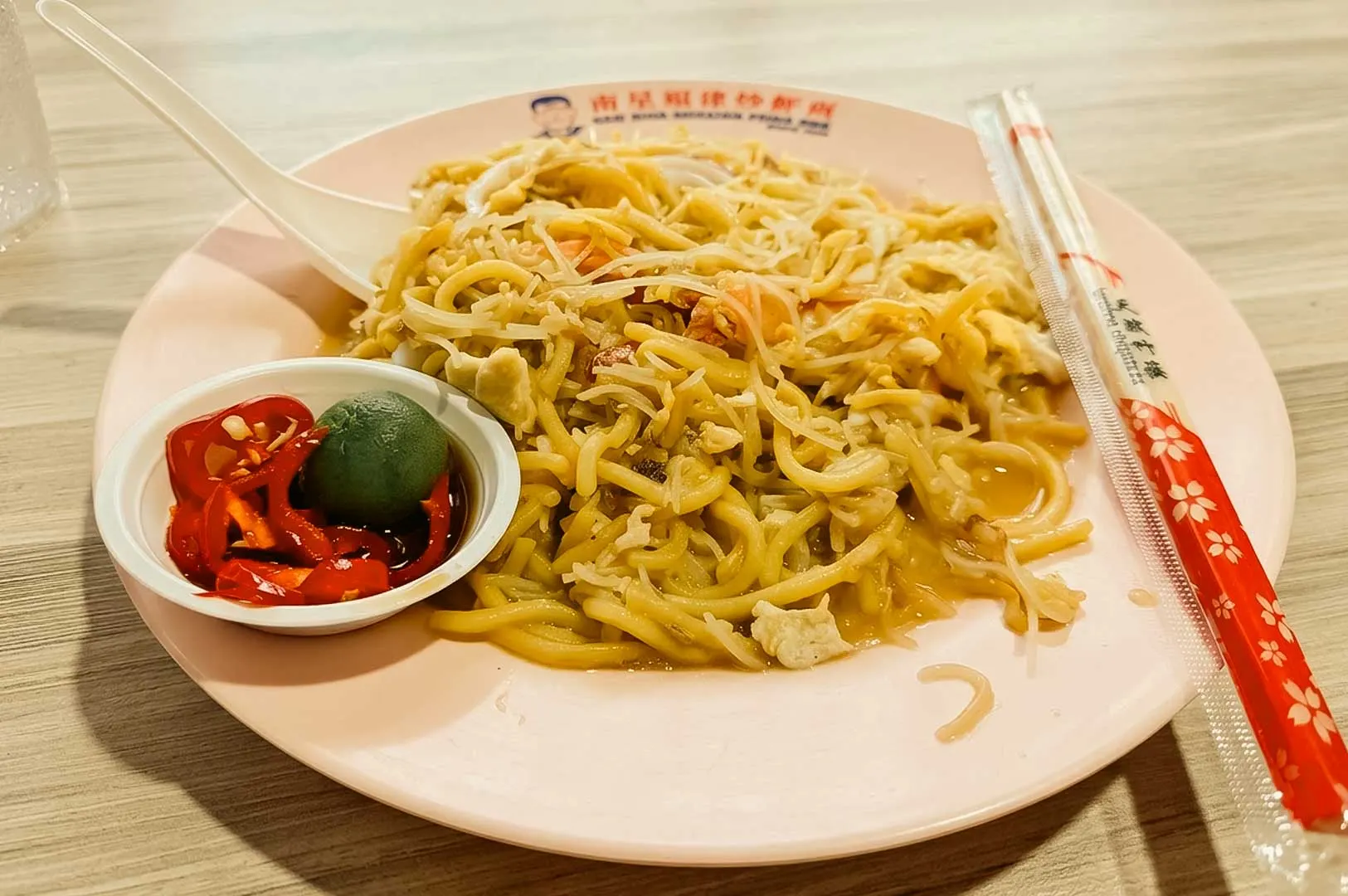
The noodles are dark and glossy, a mix of flat kway teow and yellow noodles coated in a sweet-savoury sauce. Dark soy sauce helps give the plate its brown colour and gentle sweetness, though Meng Kee doesn’t take it as far as some of the much darker versions of char kway teow around Singapore.
Older descriptions of the stall also refer to a black sweet sauce in the regular version. What matters more on the plate is the balance. To me, the sweetness sat alongside the savoury notes rather than taking over. Some diners feel it leans sweeter than they expected, so it’s worth knowing that before you order.
A Wetter Style of Kway Teow
This isn’t a dry version of char kway teow. It’s moist and soft, with noodles that slide around the plate instead of clinging to the wok’s char.
Some people love that. Others find it too wet. Still, wet isn’t the same as greasy. I finished the plate without feeling weighed down, which isn’t something I can say about every plate of fried kway teow I’ve eaten.
Egg, Bean Sprouts and Lup Cheong
The egg surprised me most. The small pieces carry their own smoky char, and they spread that aroma through every bite. The bean sprouts keep their crunch, a fresh snap against the soft noodles. The lup cheong adds a gentle, almost winey sweetness.
Blood Cockles and Pork Lard
The blood cockles are a big reason people come back. They’re cooked lightly, so they stay soft and juicy instead of turning rubbery. Their briny flavour cuts through some of the sweetness in the noodles, and if you enjoy cockles, the S$2 extra is worth considering.
Then there’s the pork lard: small, golden, crisp pieces that break the softness with a bit of richness.
Where Opinions Divide
A few friends I’ve eaten char kway teow with would probably find Meng Kee slightly mild. They tend to prefer stronger wok hei, a darker sauce and a heavier hit of sweetness.
I can see why. This is a balanced plate, not a loud one. If you like your char kway teow heavily coated in black sweet sauce or intensely dark soy-driven, Meng Kee may come across as a little gentler.
The Wait at the Meng Kee Stall
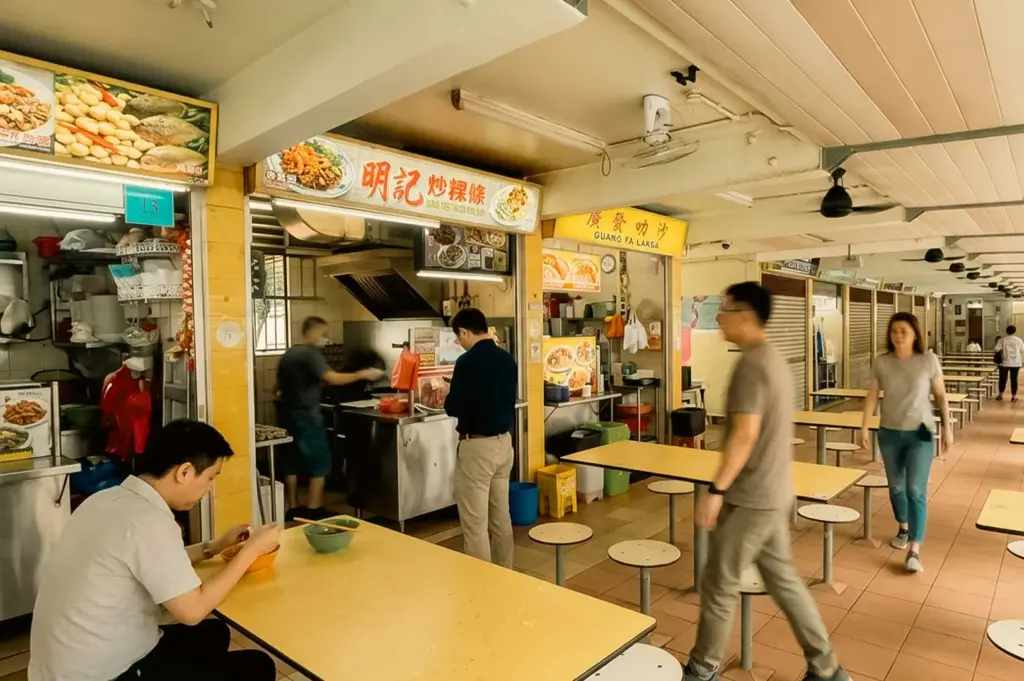
Because every plate is fried to order, the queue moves slowly. Diners commonly report waits of 20 minutes or more. Nobody hurries the wok here. I’d say find a seat, be patient, and eat the plate the moment it reaches you. Wok hei doesn’t wait for anyone.
Finding Meng Kee on Havelock Road
Meng Kee keeps things fairly straightforward, but it is worth checking their Facebook page before making the trip. The stall posts updates there when it is closed, which is useful since operating hours can shift and they may stop serving early.
Address: #01-07, Havelock Road Cooked Food Centre, 22A Havelock Road, Singapore 161022
Hours: Around 9am to mid-afternoon, Monday to Saturday. Closed Sunday. Hours can vary, and the stall may sell out or close early.
Getting there: Within walking distance of Havelock MRT.
Spend: About S$4 to S$5 per person, before extras.
Dietary note: The char kway teow contains pork, including lup cheong and pork lard.
Leaving Meng Kee Fried Kway Teow
Meng Kee serves a softer, sweeter style of CKT, with each portion fried in small batches rather than all at once. The wok hei is there, but it does not overpower the dark sauce, cockles, lup cheong and pork lard.
I was pleasantly surprised by how easy the plate was to finish. There is richness, but it never became too heavy for me. Diners who prefer very dry char kway teow or a much stronger sauce may feel differently.
If that sounds closer to how you like your CKT, Meng Kee is a good one to try when you are around Havelock Road.